Tuberculosis is not just a disease. In Nigeria, it is a silence — a silence in homes where persistent coughing is normalized, in communities where stigma overshadows science, and in data systems where thousands of cases remain unseen, unreported, and untreated.
Today, on World Tuberculosis Day, the Leprosy and Tuberculosis Relief Nigeria breaks that silence.
The reality is both simple and urgent: Nigeria continues to miss thousands of tuberculosis cases each year. These are not mere statistics — they represent individuals, families, and futures disrupted by a disease that is both preventable and curable.
Yet, across the country, a shift is underway.
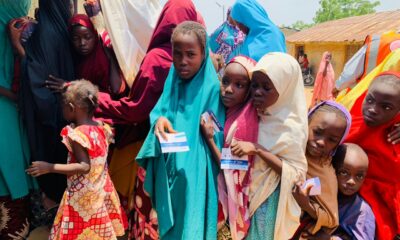
From hard-to-reach communities in Borno State to evolving health systems in Yobe State, Gombe State, and Plateau State, a new, people-centered response is emerging — one that takes care directly to communities instead of waiting for patients to seek help.
In community spaces, small drug shops, and through traditional birth attendants and volunteer networks, the fight against TB is being redefined. These are no longer peripheral actors; they are the frontlines.
Through field engagement, mentorship, supportive supervision, data harmonization, and active community screening, LTR and its partners are strengthening the often unseen foundation of the TB response. Registers have become lifelines, referrals now represent critical pathways to survival, and data is driving real-time action.
Most importantly, dignity is being restored.
Tuberculosis does not only attack the lungs — it affects identity, isolates individuals, and fuels stigma. Ending TB, therefore, requires more than medical intervention; it demands inclusion, empathy, and a deliberate effort to dismantle stigma.
According to the Executive Director of LTR, Dr. Tahir Dahiru:
“Tuberculosis persists not because we lack solutions, but because we have not yet reached everyone who needs them. The real challenge lies in overcoming distance, stigma, and missed opportunities. Our field experience shows that when communities are empowered, local actors equipped, and systems strengthened, the so-called ‘missing cases’ begin to surface. This is how we end TB — from the ground up.”
This is the reality Nigeria must both confront and embrace.
Ending TB will not be achieved through policy declarations alone. It will happen when individuals in remote communities are referred promptly, when stigma no longer prevents people from seeking care, when volunteers identify symptoms early, and when data is reliable enough to guide decisions.
This is not just a health response — it is a systems response. It is a human response.
And it is already in motion.
However, more must be done.
On this World Tuberculosis Day, LTR calls for sustained investment in community-driven interventions, stronger integration of informal healthcare providers, and a unified national commitment to closing the TB detection gap.
Because ending TB is not just possible — it is a responsibility.
And if we are truly led by countries and powered by people, then the answer is no longer in doubt:
Yes. We can end TB.