By Abubakar M. Kareto
Nigeria stands at a critical historical crossroads. The debate surrounding the decentralization of our security architecture through the creation of State Police has moved from academic halls to the corridors of executive action. For many public analysts, structural reform is a necessary evolution to tackle localized criminality, banditry, and insurgency. However, the success of any foundational national reform does not rely solely on its constitutional merit. It relies fundamentally on the transparency of its process, the equity of its execution, and the preservation of national trust.
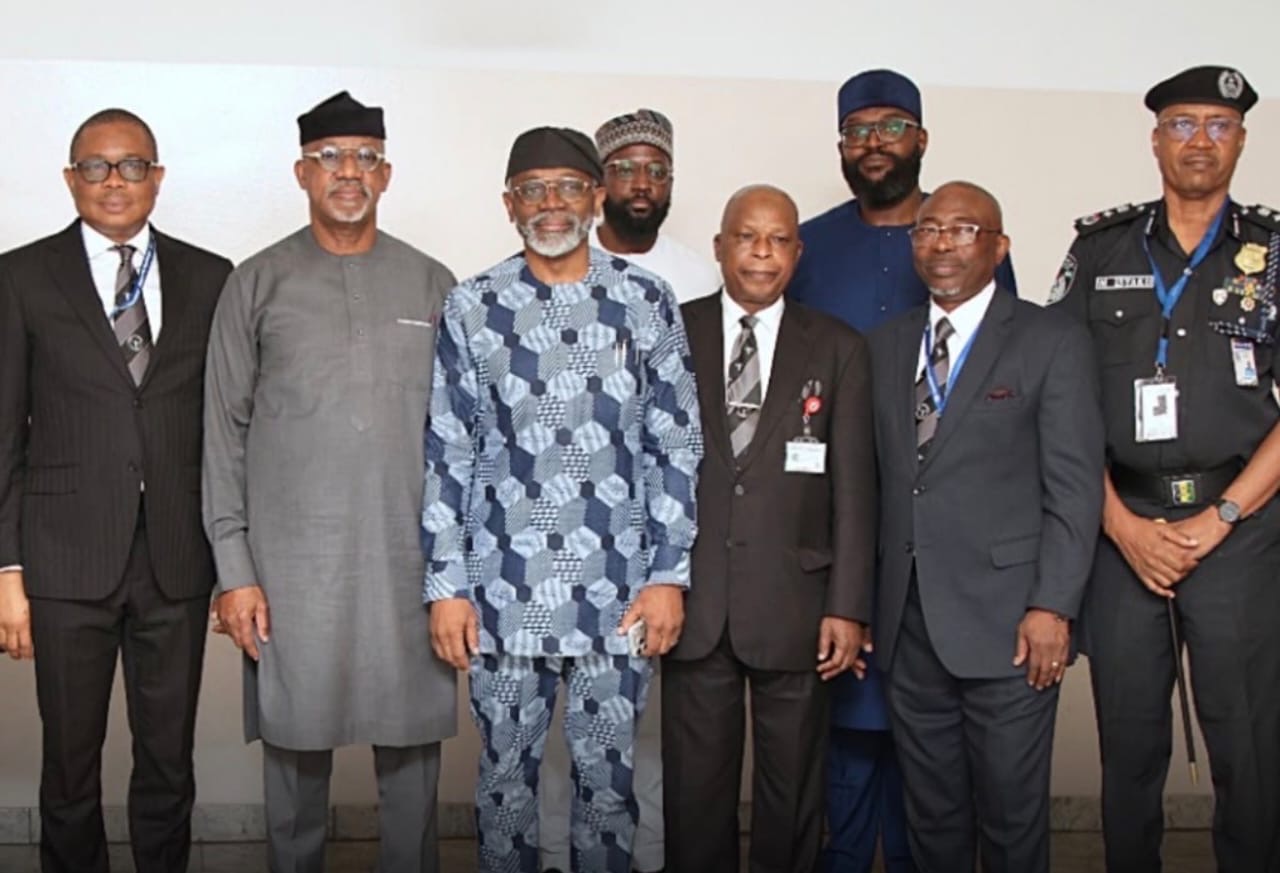
The recent inauguration of the Presidential Working Group on State Policing at the State House in Abuja has raised immediate, profound concerns regarding national cohesion. A critical look at the 13-member composition reveals a stark, deeply troubling geopolitical imbalance that threatens to derail the legitimacy of the entire project before it even begins.
The Mathematics of Exclusion
Out of the selected members tasked with designing this highly sensitive framework, there is a total omission of representatives from the North West and North East geopolitical zones. Statistically, nine out of the thirteen members are from the South West, two are from the South East, and two represent the North Central region via Plateau State.
In a multi-ethnic, multi-religious federation like Nigeria, a committee composition where more than two-thirds of the members hail from a single linguistic bloc or region is a direct affront to Section 14(3) of the 1999 Constitution (as amended), which mandates adherence to the Federal Character Principle. This imbalance is so stark that it leaves room for regional anxieties, fueling the perception of a targeted agenda rather than a transparent national rescue mission.
Rushed Legislation and Tactical Moves
Compounding this structural exclusion is the alarming manner in which the National Assembly recently handled the legislative process. The Constitution Alteration Bill was rushed tactically through both chambers with unusual haste. In the House of Representatives, for instance, the crucial voting process on this profound constitutional change was conducted by a mere show of hands rather than a transparent, electronically recorded division.
This bypass of standard recorded voting transparency represents a questionable legislative maneuver for a bill of such immense national consequence. Passing foundational security laws using voice votes or unrecorded tallies makes it impossible for Nigerians to hold individual lawmakers accountable for their positions. By forcing the framework through without comprehensive parliamentary divisions or exhaustive debate, the legislature has created an unsettling precedent that compromises procedural integrity.
Ignoring the Theaters of Conflict
Security is not a regional commodity; it is a collective national survival asset. The core Northern regions, particularly the North West and North East, have borne the heaviest brunt of security vulnerabilities over the past two decades. The communities in these zones have unique, deeply entrenched operational, cultural, and logistical experiences dealing with asymmetric warfare, terrorism, banditry, and mass internal displacement.
To craft a nationwide state policing framework without integrating the lived experiences, regional insights, and leadership of stakeholders from these deeply affected zones is a severe strategic blind spot. How can a committee design a localized policing framework for a federation when the very regions requiring the most nuanced local policing interventions are completely blindfolded from the design table?
Process vs. Product: The Need for Legitimacy
This critique is not an objection to the establishment of state policing itself. Many well-meaning Nigerians agree that the current centralized policing model is overstretched and inefficient. Rather, this is a necessary demand for procedural integrity. When a critical reform panel lacks broad geographical representation and is coupled with rushed legislative tactics, it inadvertently fuels suspicion, weakens public trust, and invites resistance from federating units that feel deliberately bypassed.
For a policy as sensitive as domestic policing, public trust is the primary currency required for institutional legitimacy. A closed, hurried, or exclusionary process risks producing a framework that lacks nationwide buy-in, making its eventual implementation difficult, divisive, or outright rejected.
The Way Forward
To ensure the success of this vital security reform, the administration and the legislature must urgently recalibrate their approach through four immediate actions:
1. Immediate Panel Expansion: Expand the Presidential Working Group to immediately include senior legal, security, and administrative minds from the North West and North East regions.
2. Legislative Review and Accountability: Ensure all subsequent statutory components of the National Policing Bill undergo rigorous, recorded electronic voting with full public transparency in the National Assembly.
3. Zonal Town Halls: Mandate the committee to hold comprehensive public hearings across all six geopolitical zones to capture localized security nuances before finalizing any operational law.
4. Independent Civil Society Oversight: Establish an independent monitoring coalition comprising civil society organizations, security experts, and regional socio-cultural groups to audit the working group’s progress and guarantee total transparency.
True security reform must be transparent, balanced, and reflect the full diversity of the Nigerian federation. Only through broad-based inclusion can we build a policing system that is fair, effective, and trusted by every citizen from the Sahel to the Atlantic.
Author’s Bio:
Abubakar M. Kareto is a Public Affairs Analyst and Communication Strategist. His expertise is in National, Subnational, and Continental Governance, Development, and Security Issues. He can be reached via Email: amkareto@gmail.com or on X (formerly Twitter): @amkareto