By Samuel Solomon
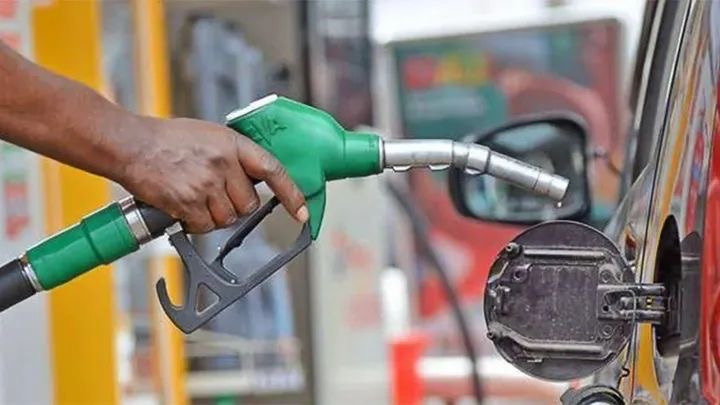
The Federal Government on Monday met behind closed doors with the management of Dangote Refinery and petroleum marketers as it pushed for a reduction in the pump price of Premium Motor Spirit (PMS), also known as petrol, across the country.
The meeting, held at the headquarters of the Nigerian Midstream and Downstream Petroleum Regulatory Authority (NMDPRA) in Abuja, also had officials of the Federal Competition and Consumer Protection Commission (FCCPC) and other stakeholders in the oil and gas sector in attendance.
Representatives of TotalEnergies, Eterna, Matrix Energy, the Depot and Petroleum Products Retailers Association of Nigeria (DPRP), Major Energy Marketers Association of Nigeria (MEMAN), Depot and Petroleum Products Marketers Association of Nigeria (DAPPMAN), Independent Petroleum Marketers Association of Nigeria (IPMAN), Nigerian Association of Road Transport Owners (NARTO), and officials of the NMDPRA also attended the meeting.
The meeting came a few days after the FCCPC expressed concern over the slow reduction in petrol prices despite a drop in global crude oil prices.
In a statement issued by its Director of Corporate Affairs, Ondaje Ijagwu, the commission warned that businesses found taking advantage of consumers through unfair pricing could face regulatory action.
The FCCPC said its monitoring of the downstream petroleum sector showed that recent reductions in depot and retail prices had not matched the decline in international crude oil prices.
Speaking at the meeting, the Chief Executive of the NMDPRA, Rabiu Umar, said the gathering was held on the directive of the Minister of State for Petroleum Resources (Oil), Heineken Lokpobiri.
He said Nigeria had experienced major changes in the global crude oil market over the past six months.
“We have witnessed a welcome easing of those tensions, which has driven a downward shift and moderation in global crude oil prices.”
Umar said that despite the drop in crude oil prices, petrol prices in the local market had not reduced in the same way.
He said the government’s aim was not to impose prices but to work with stakeholders.
“We want to engage in an open, transparent, and solution-oriented dialogue. We want to hear your challenges, discuss market surveillance, look into inventory management, and align on how we can collectively accelerate key mechanisms like the National Strategic Stock (NSS) to protect our national energy security,” he added.
A few days earlier, Lokpobiri directed petroleum marketers to reduce the pump prices of petrol and other petroleum products to reflect the fall in global oil prices.
Addressing participants at the meeting, the minister said the engagement would give stakeholders the opportunity to discuss issues affecting the downstream petroleum sector.
He urged them to find a “common ground” on how to reduce the price of PMS, noting that the prices of PMS and Automotive Gas Oil (AGO) affect every sector of the economy.
Lokpobiri said deregulation should not be used as an excuse to make excessive profits.
He added that since Brent crude prices had fallen, there was no reason for petrol prices to remain high.
“Government is committed to protecting the interests of stakeholders, the common man, and the deregulation of the sector,” he assured.