By Abubakar M. Kareto
As the political gears of the nation slowly grind toward the 2027 general elections, a dark, familiar shadow is lengthening across Kano State.
Kano, the historic heartbeat of trans-Saharan trade, the largest metropolitan economy in Northern Nigeria, and a proud pacesetter of political consciousness, is facing an existential crisis. It is gradually being steered toward an embarrassing designation: the headquarters of political thuggery.
For a state that represents the commercial nervous system of the North, this is not merely an unfortunate trend; it is a precarious economic and social emergency. The weaponization of desperate, jobless youths by the political class is a ticking time bomb, and the current leadership must wake up before the explosion destroys what is left of our regional stability.
The Metamorphosis: From ‘Yan Tauri to ‘Yan Daba
To truly understand the danger facing Kano, the political class must understand that they are playing with a historical monster.
The phenomenon of the ‘Yan Daba (urban criminal gangs) is not a sudden accident; it is a tragic, generational perversion of our heritage. It traces its ancestry back to the ‘Yan Tauri, who were traditional hunters and cultural warriors that once protected communities with localized martial art traditions and strict codes of honor.
However, since the intense political splits of the First and Second Republics, short-sighted politicians systematically co-opted these groups, trading ideology for brute force. Today, historical data from civil society groups and international monitors highlights a dangerous cycle. Between electoral years, these syndicates sustain themselves through lethal illicit economies, primarily domestic drug trafficking, phone-snatching epidemics, and violent extortion. However, as elections approach, they undergo a lucrative metamorphosis. They are contracted by unscrupulous politicians as political mercenaries to intimidate voters, destroy electoral materials, and settle intra-party scores.
Academic studies on youth delinquency in Northern Nigeria consistently point to a dangerous post-election abandonment cycle. Politicians hire these youths as enforcement mercenaries during campaigns, only to completely cut them off once power is secured. Left with a weapon habit, deep drug dependencies, and zero livelihood, these boys turn their anger on the very society that bred them, birthing the savage phone-snatching syndicates terrorizing the Kano metropolis today. We saw this reach an ugly peak during the 2023 gubernatorial elections, where inner-city locations like Dala, Filin Chiranchi, and Kabuga became battlegrounds. Thugs openly stabbed voters and destroyed ballot boxes to alter outcomes. Now, approaching 2027, the warning signs are blinking red once more.
The Two-Front Security Threat
What makes the current situation even more alarming is that Kano is trapped in a pincer movement. While urban centers choke under the grip of phone-snatching ‘Yan Daba gangs who murder citizens for a piece of mobile technology, rural local governments are facing an entirely different beast.
Recent security reports highlight a terrifying spillover of banditry from neighboring Katsina State into Kano’s border local governments, including Tsanyawa, Gwarzo, and Kunchi. Bandits, facing pressure or striking unofficial no-attack truces elsewhere, have pushed their operations across the border into sparsely policed farming communities in Kano. Rural citizens are fleeing their lands at sunset, paralyzed by the fear of abduction and murder.
When a state faces external rural banditry and internal urban thuggery simultaneously, it cannot afford a leadership that appears to be sleeping on the watch.
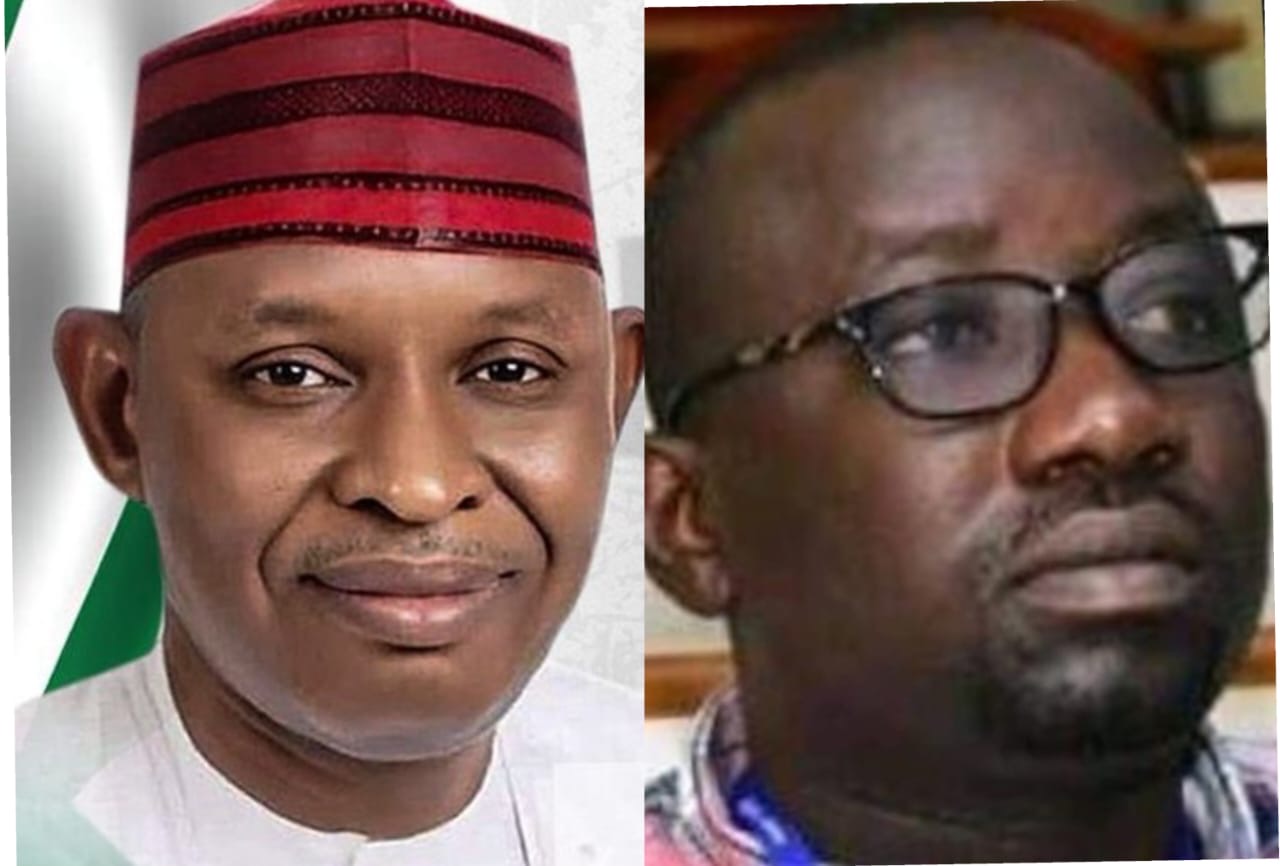
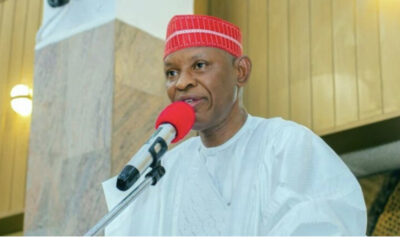
A Wake-Up Call for Governor Abba Yusuf
While Governor Abba Kabir Yusuf’s launch of the 2,000-person strong Neighbourhood Watch Corps (NWC) and the procurement of hundreds of patrol vehicles and motorcycles is a structural development, we must question the sustainability and intent of these moves. Is this a deep-seated desire for systemic reform, or is it an early play to organize grassroots foot soldiers ahead of the 2027 layout?
Following his high-stakes political shifts over the last year, the expectations on Governor Yusuf have altered dramatically. He can no longer rely on old, comfortable party structures to shield his administration; he must now prove to both the center and the Kano electorate that he can deliver stability on his own merit.
Setting up a security outfit to counter these threats is meaningless if the political will to prosecute the sponsors of thuggery is absent. The hard truth is that political thuggery cannot thrive without political patronage. These boys do not buy their weapons, drugs, or operational vehicles themselves; they are funded by characters who sit in high legislative chambers and executive offices.
Governor Abba Yusuf must shake off his political slumber and realize that his legacy is on the line. If Kano collapses into unlivable violence, no amount of infrastructure or populist policies will matter. The governor must draw a clear line in the sand:
1. Zero Tolerance for Sponsors: The state government must empower federal and local security agencies to arrest and prosecute anyone, regardless of party affiliation, found financing or harboring ‘Yan Daba.
2. De-escalation and Disarmament: An aggressive, community-level disarmament campaign must begin now. Existing youth rehabilitation and drug de-escalation programs must move beyond mere political window-dressing and expand their actual capacity to match the true scale of the crisis across the metropolis.
3. Guard the Borders: The newly formed Neighbourhood Watch Corps must be strictly utilized for community intelligence and rural defense, not converted into an administrative tool or a political vanguard for the ruling party.
Conclusion: Kano Must Lead by Example
Kano has always been the political trendsetter of Northern Nigeria. From the days of Malam Aminu Kano and the talakawa emancipation movement, this ancient city showed the black continent how politics could be driven by ideology rather than idiocy. To watch it slide into a theater of crude violence for the sake of 2027 ambitions is a collective embarrassment.
The political class must be strongly cautioned: Nigeria cannot afford a broken Kano. If the commercial nerve center of the North fails, the entire region goes under. It is time for Governor Abba Yusuf to act like the chief security officer of the state, assert his authority, and take decisive action before the clouds of 2027 unleash a storm we cannot contain.
About the Author:
Abubakar M. Kareto is a professional Public Affairs Analyst and Strategic Communication Strategist. Concerns with continental, national, and sub-national political dynamics and governance transitions across Nigeria and Africa. He can be reached directly at amkareto@gmail.com.