By Thlama Samuel Maina
300 level student from the University of Maiduguri
Faculty of communication and media studies
Department of mass communication .
For many Nigerian students, admission into the university is the first time they will live away from home. At the University of Maiduguri, UNIMAID, that transition happens inside the hostels spaces that teach lessons no course outline covers.
Beyond lectures and exams are the untold stories of survival, friendship, and growth. This is hostel life at UNIMAID.
Life Inside UNIMAID Hostels
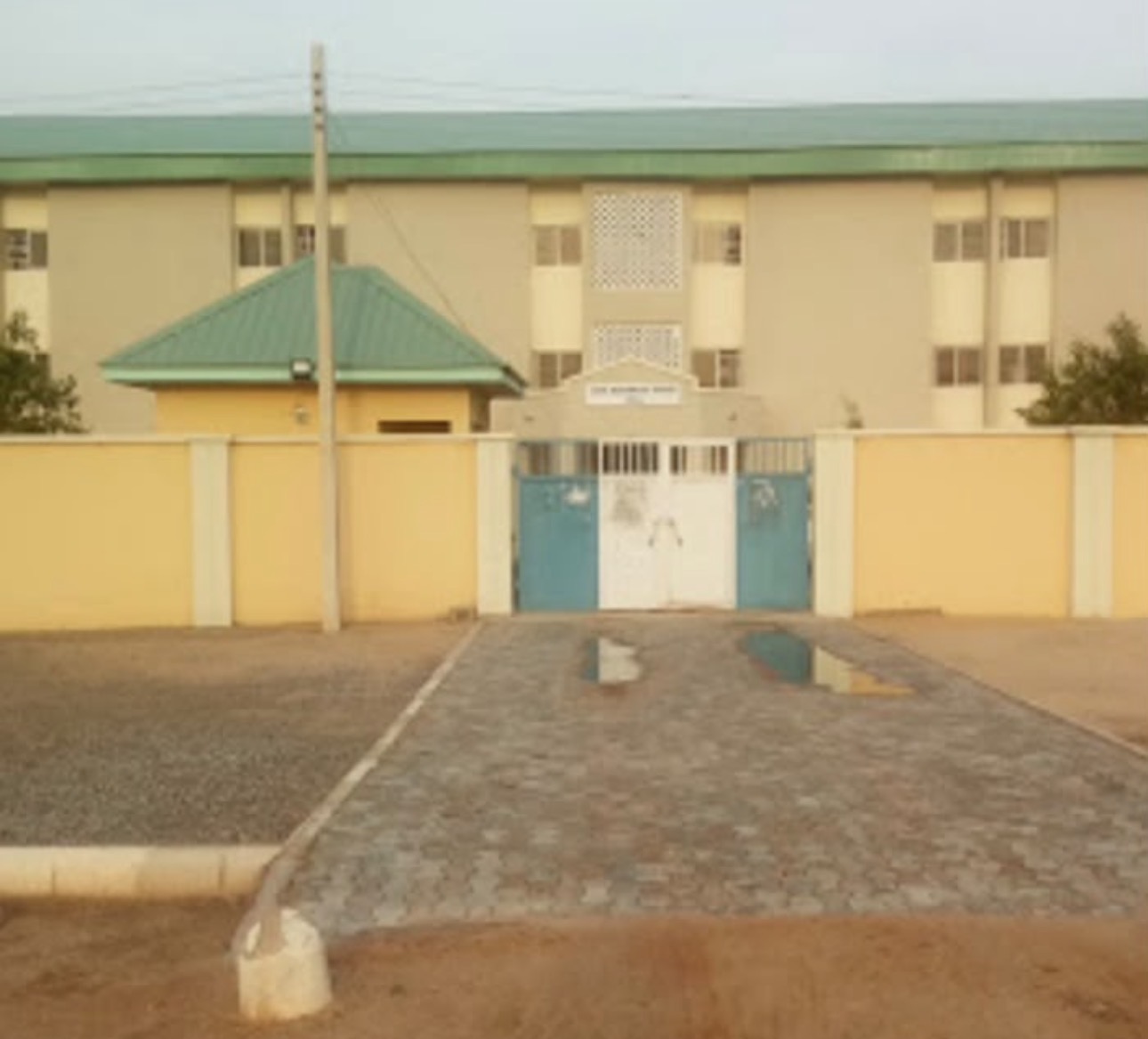
UNIMAID has 12 undergraduate hostels, with Imam Mohammed Hall being one of the most populated male hostels. With a student population of over 900 students, demand for bed space far exceeds supply.
Getting a bed space is a challenge on its own. Those who secure one often share rooms built for 4 with 6 to 8 students. beds directly on the floor are common, storage is limited, and privacy is negotiated. Power supply is irregular, so students rely on power banks and torchlights for night reading.
Though water is available, It is not always consistent. Students do not queue every morning, but on days when supply is low, early morning queues form at the boreholes, a routine many have come to expect.
For those who miss out on-campus accommodation, off-campus areas like Bama Road, Mairi, and 303/202 become alternatives. There, students deal with higher rent, transport costs, and security concerns.
More Than Accommodation: Lessons in Living Hostel life is UNIMAID’s hidden curriculum
Students learn budgeting. A monthly allowance must cover food, data, transport, and emergencies. They learn tolerance and negotiation, living with roommates from different states, cultures, and faiths.
It is also where community is built. Group tutorials happen late at night. Small businesses start from hostel rooms. Friendships formed over shared struggles often last beyond graduation.
“Staying in the hostel taught me independence,” says Fatima, a 300-level student. “No one wakes you for class. No one cooks for you. You grow up fast.”
The Challenges That Persist Despite the growth it fosters, several issues need urgent attention:
1. Overcrowding: Rooms and common facilities are overstretched, affecting comfort and hygiene.
2. Infrastructure: Some hostels, including their facilities, need renovation from toilets to ventilation.
3. Cost of Living: Rising food and transport prices are putting pressure on students and their families.
4. Welfare & Safety: Both on-campus and off-campus students need better security, health, and counseling support.
The Way Forward
Student welfare must be treated as central to academic success.
The university, with support from TETFund, alumni, and private investors, should expand hostel capacity and rehabilitate existing ones. Public-Private Partnerships can help deliver affordable and well-managed hostels.
The Student Affairs Division should strengthen orientation, peer mentorship, and access to counseling. Sanitation campaigns and regular maintenance will also improve living conditions.
Parents and guardians have a role too in communication, and in realistic support.
Conclusion
Hostel life at UNIMAID is not perfect. It is crowded, sometimes stressful, and far from home. But it is also where independence is learned and character is built.
The student who learns to manage limited resources, live with others, and take responsibility in a hostel room is being prepared for life after school.
These are the untold stories of resilience, adaptation, and community. If we invest in better hostels, we invest in better graduates, and ultimately, in a better Nigeria.