By Adegoriola Praise
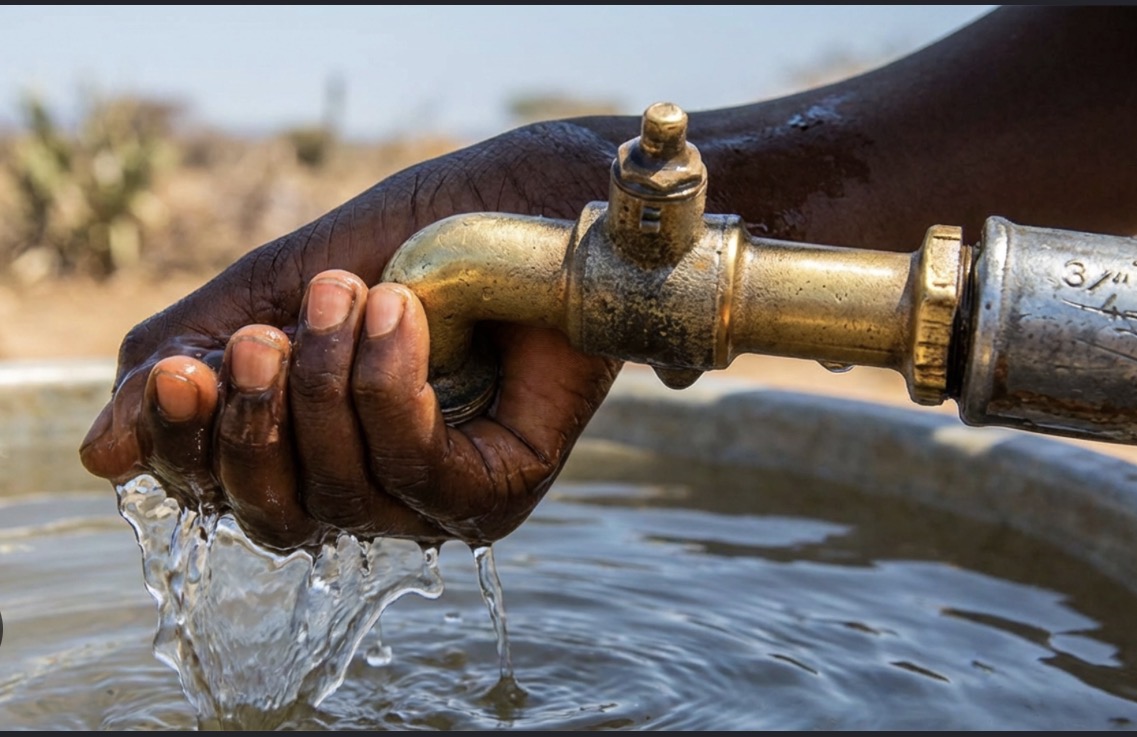
For some students living in the hostels of the University of Maiduguri, getting ready for lectures is not always about preparing books, dressing up and rushing to class. Sometimes, the first challenge of the day is finding enough water to take a bath.
While other students prepare for their lectures, some hostel residents are already thinking about where their next bucket of water will come from. A shortage that may appear ordinary from the outside has become part of the daily routine for students who depend on the hostel’s water supply for bathing, cleaning, washing and other basic needs.
For students, particularly female students who need water for personal and menstrual hygiene, the situation can become even more difficult.
When Water Becomes a Daily Struggle
A 300-level female student who resides in the hostel recalled a period when the water shortage became particularly difficult for her.
“I had to buy bags of pure water to take my bath because I was on my period,” she said.
Her experience is not isolated. According to other students, there are times when only one tap in the hostel is functioning, forcing students from different areas of the hostel to gather around it with buckets and containers.
The result is often a long queue that can take considerable time before a student gets enough water.
For some students, the shortage means leaving for lectures without bathing. For others, it can mean arriving late to class or spending valuable time searching for water before beginning their day.
A 200-level female student said the shortage affects more than just her morning routine.
“It scatters my plans for the whole day,” she said.
The Dam Water Dilemma
When the regular water supply is available, students have some relief. But when the supply stops, many turn to stored dam water.
In both the male and female hostels, students say they depend on stored water during periods of scarcity. The water is kept for use when the regular supply is unavailable.
However, some students have raised concerns about the way the water is collected and stored.
According to students, the dams are sometimes left open, while people dip buckets and other containers directly into the water. They say this can allow dirt from the containers to enter the water.
Some students also allege that people sometimes use the same containers after coming from the toilet area to fetch water from the dam. Such claims would require independent verification.
Students also say that some of the hostel water tanks have developed greenish or blackish algae, which they attribute to inadequate cleaning and the repeated dipping of buckets and containers into the water.
During serious water shortages, however, students say they have little choice but to use whatever water is available to them.
From Water Scarcity to Dirty Toilets
The water problem does not stop at bathing.
It also affects the cleanliness of the hostel environment, particularly the toilets.
When there is no water, flushing toilets becomes difficult. Cleaning becomes harder, and maintaining proper hygiene becomes a challenge.
Some students may see unflushed toilets and blame residents for poor hygiene. But students living through the shortage argue that the situation is more complicated.
A 100-level student explained:
“When there is no water, how are we supposed to flush the toilet?”
The situation creates a cycle: water scarcity makes cleaning difficult, poor cleaning can affect hostel hygiene, and poor hygiene can make the hostel environment uncomfortable for the students who live there.
A 2023 study on hostel sanitation among university students in Nigeria reportedly identified water scarcity as one of the factors associated with poor hostel sanitation practices. The exact study and its findings should be properly verified and cited before publication.
The Health Question
Beyond the discomfort, the condition and cleanliness of the available water raise a more serious question: what happens to students’ health when they repeatedly have to depend on water they consider unclean?
Poor access to water can make it more difficult for students to maintain basic personal and environmental hygiene. However, claims about specific diseases or health effects should be supported with evidence from a health professional, public health authority or properly cited research.
For students, the concern is not only whether they have enough water to drink. It is also whether the water available to them is clean enough for bathing, washing and maintaining their surroundings.
A Problem Bigger Than a Bucket of Water
For students, the water shortage is not simply about having something to drink or somewhere to wash.
It affects how they start their day, how they maintain personal hygiene, how clean their surroundings remain and, sometimes, whether they can attend lectures comfortably.
A student who spends the early hours of the morning searching for water may arrive at class tired, late or without having properly prepared for the day.
For female students, the situation can be particularly challenging when water is needed for menstrual hygiene and other personal needs.
What Kind of Environment Are Students Learning In?
University life is often associated with lectures, assignments, examinations and the pursuit of academic success. But for students living in hostels, learning does not happen only inside the classroom.
It also happens in the environment where they wake up, prepare for the day and return after lectures.
A student can have a timetable full of lectures and assignments, but basic needs such as water and sanitation remain essential to living and studying comfortably.
For students in the hostels, the question is therefore not simply whether they have classrooms to attend.
It is whether the environment in which they live supports the education they are trying to receive.
And for a student standing in a long queue with a bucket in hand before an early lecture, that question may feel painfully simple:
How can students be expected to focus on learning when getting enough water to bathe, clean and live comfortably has become a daily struggle?