By Bashir Hassan Bulama
For some young Nigerians, spending money is no longer only about meeting a need. Sometimes, it is about how that spending will look on a phone screen.
A new outfit can become a TikTok video. A restaurant bill can become an Instagram story. A new phone can become a status update. Even a weekend outing can feel incomplete if there is no photograph or video to prove that it happened.
In the age of social media, the question is increasingly not just, “Can I afford this?” but also, “How will this look online?”
Every scroll brings another picture of someone travelling, attending a party, wearing expensive clothes, eating at a fashionable restaurant or showing off a new possession. For young people constantly exposed to these images, other people’s lifestyles can gradually become standards against which they measure their own lives.
For students and young adults already dealing with the pressure of school, unemployment and the rising cost of living, this constant exposure can influence what they want and, sometimes, what they spend money on.
The popular “soft life” culture illustrates this shift. What began largely as a desire for comfort and freedom from excessive struggle has increasingly become associated with attractive clothes, expensive restaurants, vacations, beauty treatments, gadgets and other visible signs of success.
Social media has helped turn these lifestyles into something that can be displayed, compared and sometimes competed over. A person does not only experience an outing anymore; there is often an expectation that the experience should also be captured and shared.
Influencers and content creators have become an important part of this process. A creator can wear a particular outfit, use a particular phone, visit a restaurant or promote a product, and thousands of followers can immediately become potential customers.
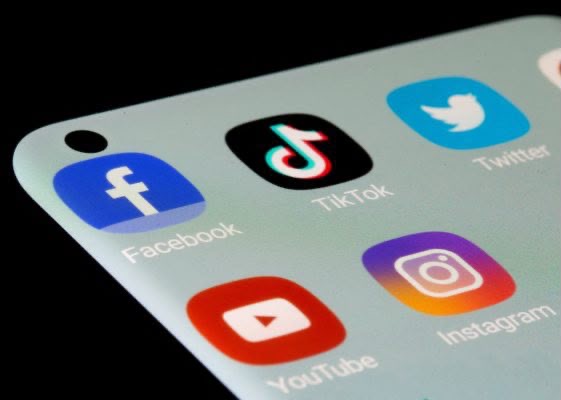
Social media has therefore become more than a place for entertainment. It has become a marketplace where people discover products, compare lifestyles and make purchasing decisions.
For businesses, this growing digital audience represents an opportunity. A small fashion business can advertise through Instagram, a food vendor can receive orders through WhatsApp, and a student selling cosmetics can reach customers without owning a physical shop.
But for consumers, the same environment can make spending increasingly difficult to separate from social pressure.
A young person who sees friends attending expensive events may feel compelled to attend. Someone who sees classmates buying new smartphones may begin to feel that their own device is outdated. Another person may spend money on clothes, hair, makeup or photography simply because they want to produce content that looks attractive online.
The pressure is not always direct. Nobody may tell them to spend the money. Sometimes, the pressure comes quietly through comparison.
Social media rarely shows the complete story behind an attractive lifestyle. A photograph may show an expensive outfit without showing the debt behind it. A luxury restaurant may appear in a short video without revealing that the person saved for weeks to eat there. A holiday photograph may hide the financial sacrifices that made the trip possible.
Yet the image is often what viewers remember.
This creates what could be called the “timeline effect” — the tendency to judge one’s own life against the carefully selected moments other people choose to display online.
The effect can be particularly powerful among young people because social media has made comparison continuous. In the past, someone might compare themselves with a neighbour, classmate or celebrity seen on television. Today, their phone can bring hundreds of lifestyles into their room within minutes.
Still, not every young person is simply spending recklessly because of social media. For many, the platforms have also created opportunities to make money.
Students are using social media to sell clothes, food, cosmetics, perfumes, accessories and digital services. Content creators are turning audiences into income through advertising, brand partnerships and other forms of digital monetisation.
This means the relationship between social media and money is not entirely negative. The same platform that encourages someone to buy something can also help another person sell it.
For some young Nigerians, social media is therefore both a source of pressure and an economic opportunity.
The challenge is knowing the difference between spending for oneself and spending for an audience.
Financial discipline becomes particularly important in an economy where young people and their families continue to face the pressure of rising living costs.
When basic needs already consume a large portion of a young person’s income or allowance, spending simply to maintain an online appearance can have consequences.
There is also the danger of turning material possessions into measures of personal worth. When likes, comments and followers become connected to what someone owns, the boundary between happiness and validation can become blurred.
A person may begin to feel successful only when others notice what they have.
But social media is, by design, a highlight reel. People usually post the moments they want others to see, not the moments they want to hide.
Behind the designer clothes may be financial struggles. Behind the restaurant photographs may be unpaid bills. Behind the seemingly perfect lifestyle may be an ordinary young person dealing with the same uncertainties as everyone else.
For many young Nigerians, therefore, the real challenge may not be staying away from social media but learning how to use it without allowing it to dictate their spending.
The timeline will continue to display new trends, new products and new definitions of success. The question is whether young people will allow those images to determine what they must buy, or whether they will learn to decide what is actually worth their money.
Because in a world where almost everything can be photographed, posted and judged, the most expensive thing may not be what appears on the screen but the pressure to keep up with it.