By Gasi Lydia Ibrahim
The fear can begin with something that appears ordinary: a sudden bout of diarrhoea, vomiting or weakness. But across Nigeria, where a cholera outbreak has placed communities under increasing pressure, such symptoms can quickly turn an ordinary day into an emergency.
For families, the first concern is often not the statistics released by health authorities. It is getting a sick relative to a health facility before dehydration becomes life-threatening. For others, it is the question of whether the water in their homes is safe enough to drink.
The scale of the crisis can be seen in the numbers.
According to the World Health Organization (WHO), Nigeria recorded 26,848 cholera cases and 181 deaths between January 1 and June 28, 2026. Borno State accounted for more than 95 per cent of the country’s reported cases during that period, with Maiduguri, Jere and Monguno among the most affected areas. Yet the outbreak is not confined to the North-East. Cases have been reported in multiple states, underscoring a national public health challenge rooted in shared vulnerabilities.
The figures represent more than an outbreak on a health dashboard. They represent households forced to deal with illness, financial pressure and uncertainty, from the North-East to other parts of the country where water, sanitation and hygiene conditions remain fragile.
The crisis accelerated sharply in May. WHO reported that Borno recorded 5,267 cumulative cholera cases and 49 deaths between May 1 and May 31, with Maiduguri and Jere identified as the most affected local government areas. By June, the situation had become even more serious. WHO reported 19,887 new cholera cases and 97 associated deaths in Nigeria during the month, with the surge largely driven by Borno State. The organisation linked the heightened risk to factors including conflict, population displacement, inadequate water, sanitation and hygiene conditions, as well as rainfall.
For communities across Nigeria, the outbreak has brought renewed attention to one of the country’s most basic needs: safe water.
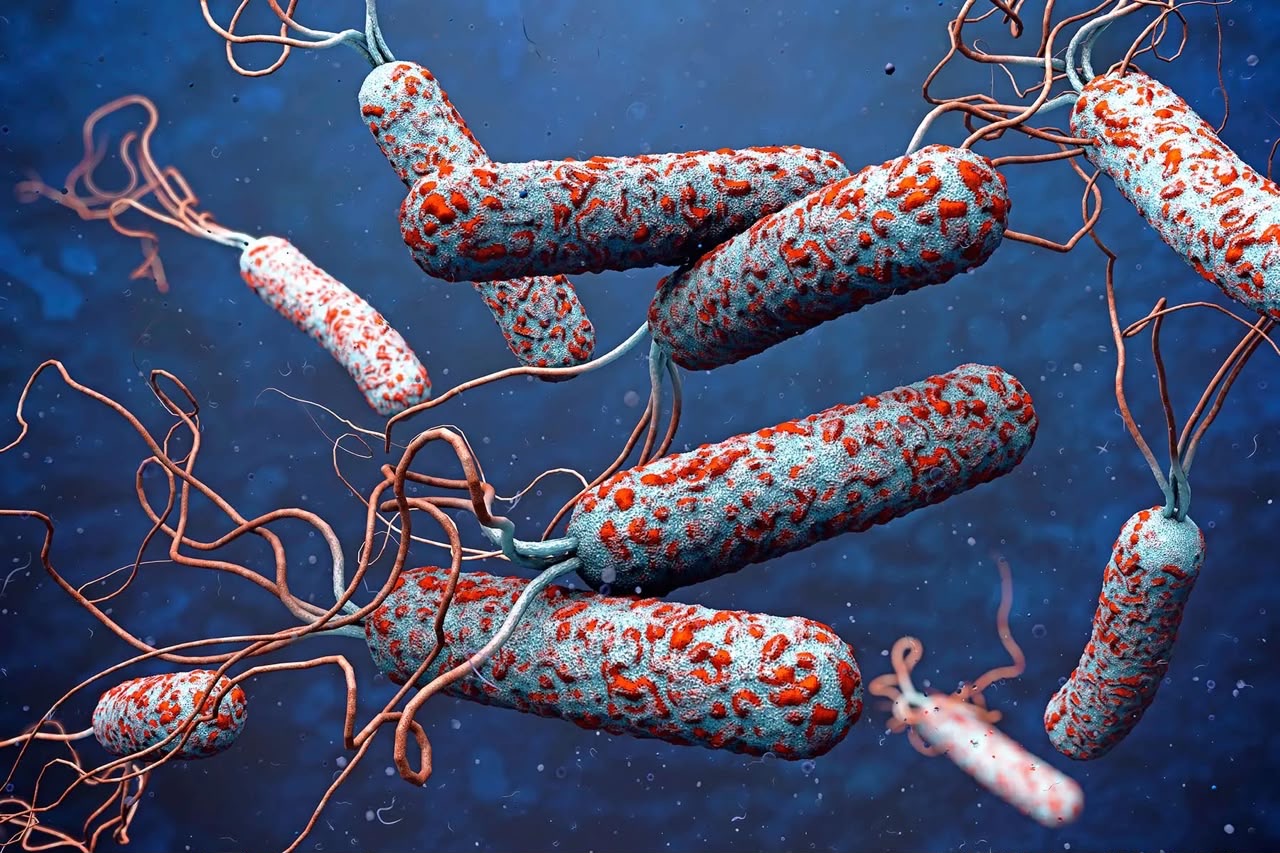
Cholera is an acute diarrhoeal infection caused by consuming food or water contaminated with Vibrio cholerae. Without prompt treatment, severe dehydration can lead to death within hours. Yet the conditions that allow the disease to spread are often connected to problems that many communities have faced for years — inadequate sanitation, unsafe water sources, overcrowding and poor waste disposal.
This makes the outbreak more than a medical emergency. It is also a community and infrastructure crisis.
In neighbourhoods and settlements where people struggle to obtain sufficient clean water, preventing a waterborne disease becomes particularly difficult. Even when residents understand the importance of handwashing and safe water storage, these precautions can be difficult to maintain when access to clean water is limited. The situation is especially concerning for displaced people and other vulnerable households. Years of conflict in the North-East have resulted in large-scale displacement and placed enormous pressure on infrastructure and public services in places such as Maiduguri and surrounding areas. Crowded living conditions can make it harder to maintain adequate sanitation and reduce the distance between contaminated water, waste and households. Similar pressures exist in other parts of the country, where rapid urbanisation, flooding and weak sanitation systems increase the risk.
The consequences extend beyond illness.
When a parent becomes sick, a household may lose a source of income. When a child is ill, parents or guardians may have to leave work or other responsibilities to seek treatment. Families may also spend money on transportation and other costs associated with accessing healthcare. At the same time, the increasing number of patients places pressure on health workers and treatment centres in affected states.
Humanitarian organisations have been supporting the response by providing cholera treatment facilities, oral rehydration points, medical supplies and community awareness activities. Such interventions are critical because early treatment can prevent severe dehydration and save lives.
But treatment alone cannot stop cholera from returning.
The history of cholera in Nigeria shows how closely outbreaks are connected to living conditions. In previous outbreaks, the disease has spread from urban fringes and camps into host communities. Responses have included providing chlorinated water, establishing treatment centres and educating communities about prevention. The current outbreak therefore raises an old question in a new emergency: how can Nigeria prevent the next outbreak rather than simply respond to the current one?
The answer begins with water and sanitation.
Communities need reliable access to safe water. Drainage systems and toilets need to be properly maintained, while waste must be collected and disposed of safely. Public health education must also continue beyond the period of an outbreak because awareness is most effective when it becomes part of everyday behaviour.
Residents have a role to play as well. Treating drinking water, washing hands with soap, keeping food covered, maintaining clean surroundings and seeking medical care quickly when symptoms appear can help reduce the spread and severity of the disease.
But communities cannot carry the responsibility alone.
Government authorities at the federal and state levels must strengthen water and sanitation infrastructure, improve disease surveillance and ensure that health facilities are adequately equipped to respond to outbreaks. Humanitarian organisations and community leaders can complement these efforts through awareness campaigns and support for vulnerable households.
The numbers from Nigeria tell a story of urgency, but they do not tell the whole story.
Behind every reported case is a person. Behind every death is a family. Behind every treatment centre is a health worker dealing with the pressure of an outbreak.
For Nigeria, the cholera crisis is therefore not simply about how many people have fallen sick. It is about the conditions that make communities vulnerable in the first place — conditions that exist in different forms across the country.
As the nation continues to respond to the outbreak, the greater challenge will be ensuring that the lessons of the crisis are not forgotten once the number of cases begins to fall.
Because when the emergency passes, the need for clean water will remain. The need for proper sanitation will remain. And the responsibility to build healthier communities will remain.
For Nigeria, defeating cholera should mean more than treating today’s patients. It should mean creating conditions that make tomorrow’s outbreak less likely.