The former Managing Director of the Transmission Company of Nigeria (TCN), Alhaji Abubakar Atiku-Tambuwal, says Nigeria needs 30,000 megawatts of electricity to achieve stable power supply.
Tambuwal disclosed this in an interview with Popular Mail in Abuja.
The former MD identified the inadequate generation capacity, insufficient gas supply and weak transmission infrastructure as major causes of the country’s persistent electricity crisis.
He said that Nigeria’s electricity generation remained insufficient to meet growing national demand, adding that the country’s energy mix from hydroelectricity to renewable sources was also inadequate.
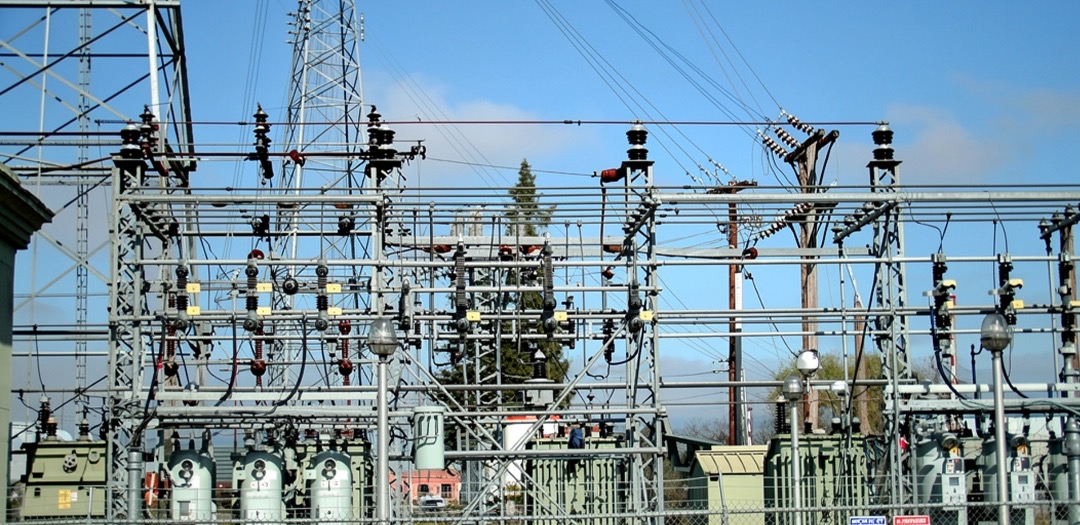
According to him, the national grid lacks the capacity to effectively transmit available electricity to load centres and distribution companies.
He called for a multidimensional approach to address the challenges confronting the power sector.
The former TCN managing director attributed Nigeria’s inability to achieve stable electricity supply partly to a lack of coherent leadership and political will to implement necessary reforms.
He said although some policies were formulated to improve the sector, their implementation had remained a major challenge.
” A lot of funds devoted to the sector are either wrongly utilised or mismanaged and, in some cases, stolen by officials entrusted with their utilisation,” he said.
Atiku-Tambuwal said that generation, transmission and distribution were all critical to achieving a stable electricity supply, stressing that the three components required simultaneous attention.
He described generation as the engine room of the sector, saying that Nigeria must generate sufficient electricity to meet its national demand before uninterrupted supply could be guaranteed.
He also described transmission as the backbone of the sector, noting that the national grid must have the capacity to transmit all generated electricity while maintaining stability and reliability.
On distribution, he said that distribution companies (DisCos) needed adequate infrastructure to deliver electricity to consumers and ensure effective revenue collection.
He explained that the inability of DisCos to provide reliable electricity and collect adequate revenue was undermining the financial sustainability of the sector.
The former managing director said that the Federal Government needed a consistent and coordinated approach involving all major stakeholders to address the crisis.
He noted that the Ministry of Power had introduced initiatives aimed at improving electricity supply, including policies targeting 24-hour power supply in some states.
Tambuwal said that the implementation of the amended Electricity Act could also improve electricity access for businesses and households across the country.
He explained that the Act empowered state governments to participate in electricity generation, transmission and distribution within their respective jurisdictions.
He urged states yet to establish electricity regulatory agencies to do so, adding that such agencies would help attract local and foreign investors into their electricity markets.
“If each state can boast of getting an additional 100MW power supply, we can close the deficit from the national grid, so that the states can concentrate on mini and off-grid power solutions required for SME industries in their respective states,” he said.
To overcome the crisis, Atiku-Tambuwal called on the government to demonstrate strong commitment through policies informed by studies conducted by relevant national and international agencies.
He also proposed the establishment of a technical committee comprising experts from different fields to oversee the implementation of identified reforms across the three segments of the power sector.
He stressed that appointments into key positions in the sector should be based on merit rather than political considerations.
According to him, achieving uninterrupted electricity supply would require sufficient generation to meet or exceed the country’s estimated average demand of 30,000MW, alongside adequate transmission and distribution capacity.
He added that effective revenue collection, public cooperation and protection of electricity infrastructure against vandalism and theft were equally important.
Tambuwal urged Nigerians to fulfil their electricity payment obligations and support efforts to protect power infrastructure, saying collective responsibility was necessary to resolve the country’s electricity challenges.