By Abubakar M Kareto
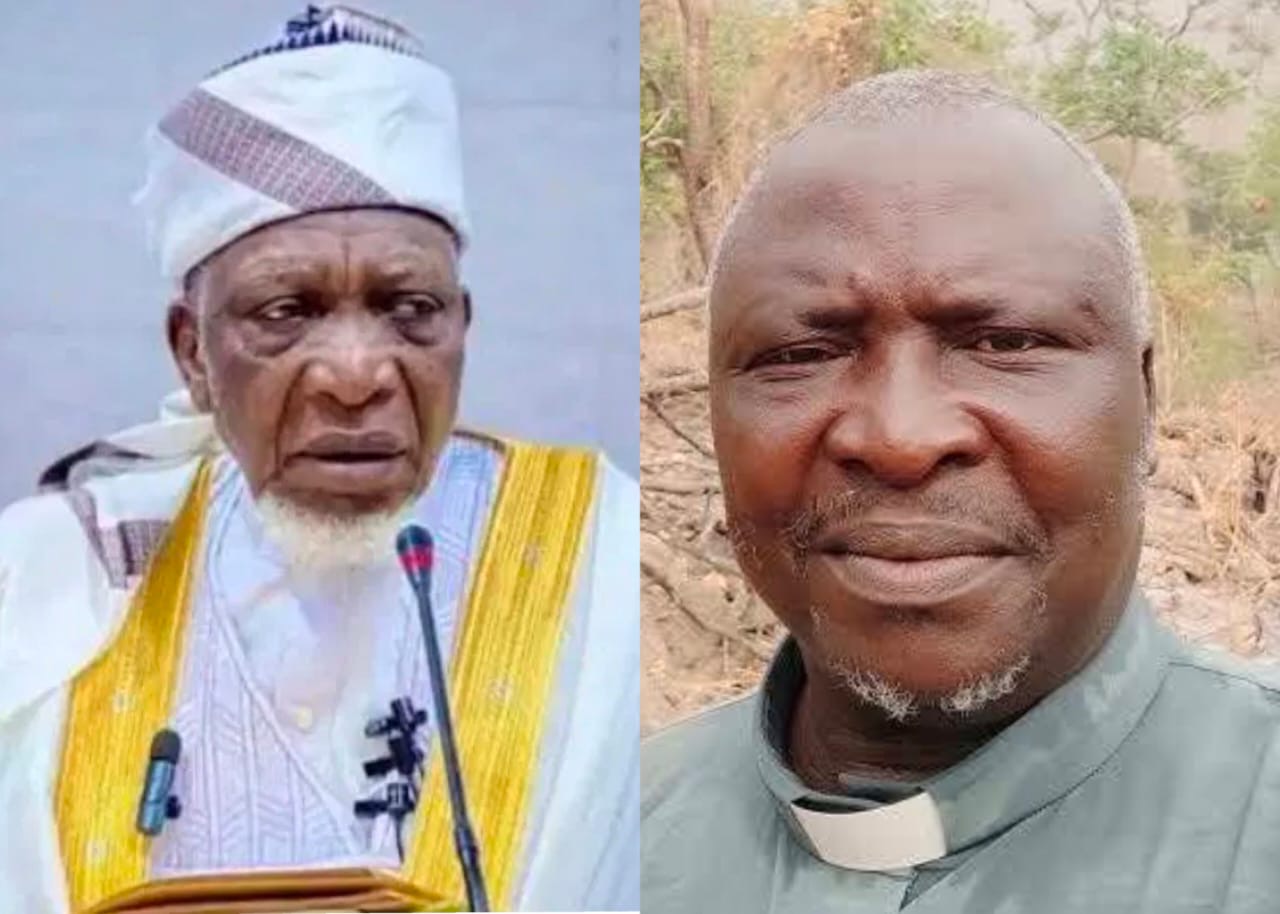
As Nigeria moves toward its 2027 general elections, the nation faces a fragile socio-political climate across its geopolitical zones. At the center of national discussions on faith and politics sit prominent religious figures whose influence extends across millions of citizens. Among them are Reverend Ezekiel Bwede Dachomo, Regional Chairman of the Church of Christ in Nations, and Sheikh Sani Yahaya Jingir, National Chairman of the Council of Ulama of Jama’atu Izalatul Bid’ah Wa’Ikamatis Sunnah. Both leaders hold immense sway over their followers, yet their public statements increasingly lean into partisan confrontation. In a religiously diverse country navigating economic and security pressures, national pulpits must prioritize peace over inflammatory speech.
The Influence of the Pulpit Across Nigeria
In Nigerian society, religious leaders carry weight that frequently rivals formal political institutions. When citizens face socioeconomic challenges or security vulnerabilities, they turn to spiritual leaders for direction, advocacy, and moral guidance. This dynamic places immense responsibility on clerics during election cycles, as a single sermon can shape public opinion far beyond a local congregation.
Reverend Ezekiel Dachomo has positioned himself as an outspoken national commentator, addressing communal insecurity and openly challenging federal political structures. While his advocacy reflects the deep pain of communities affected by violence, his uncompromising political commentary and calls for confrontation risk polarizing citizens along religious lines.
Sheikh Sani Yahaya Jingir commands one of the largest Islamic movements in West Africa, giving his pronouncements significant national reach. However, his frequent commentary on electoral politics and state policies has drawn criticism from analysts who warn that sharp rhetoric from high-profile Islamic platforms deepens national fault lines. When national politics is framed as a holy struggle, peaceful democratic competition becomes difficult to sustain.
Political Statements and Provocative Actions
Examining the public records of both leaders reveals how religious platforms are being leveraged to influence national politics.
Reverend Dachomo has repeatedly waded into core national political debates, fiercely attacking the same-faith Muslim-Muslim presidential ticket as an intentional strategy to marginalize Nigerian Christians. In public addresses, Dachomo has framed current political arrangements as systemic exclusion, urging Christians across the country to resist political dominance. He has directed harsh criticism toward the federal government, accusing state authorities of complicity in widespread killings and appealing for foreign military intervention. In public broadcasts, Dachomo has threatened to bring government officials before international courts and declared that his own death would spark widespread conflict across the region. While framed as a defense of his faith, such political hostility and warnings of conflict set a dangerous precedent for violent retaliation among his supporters.
Sheikh Jingir has similarly used his platform for explicit political mobilization. Leading into election cycles, Jingir has urged his followers to obtain voter cards to demonstrate sectarian dominance, using harsh terms to describe non-Muslims and framing political participation as a way to show political limits to rival groups. In the aftermath of national elections, Jingir publicly celebrated the success of the same-faith ticket, declaring that the political outcome was definitive proof of demographic superiority. Framing national election results as religious victories deepens resentment among non-Muslim populations across Nigeria. Additionally, Jingir has previously demonstrated a willingness to challenge state authority directly, notably when he defied national public health directives during the COVID-19 pandemic, labeling safety measures a conspiracy and leading mass gatherings in open violation of federal law.
Separating Electoral Strategy from Faith
At the core of this tension is a fundamental misunderstanding that must be corrected by all public and religious figures. Political actors, religious leaders, and citizens alike must understand that any ticket combination in any political party is designed purely for winning elections, not for God or for religion. Electoral alliances, zoning arrangements, and candidate selections are tactical maneuvers aimed at securing power within a constitutional democracy.
Religion must never be forcefully dragged into the heart of partisan politics. When clerics treat political offices as religious trophies or treat opposing tickets as existential threats to a specific faith, they mislead the public and poison the democratic process. Parties win or lose elections based on strategy, governance, and coalition building, not divine endorsement. Keeping faith out of raw political calculations is essential to maintaining national unity and preventing avoidable sectarian hostility.
The Electoral Risk Factor for 2027
National election cycles in Nigeria serve as critical tests for democratic stability. The weaponization of religious rhetoric introduces severe risks to the country as a whole.
When political candidates align with religious leaders to secure votes, the electorate becomes divided along strict sectarian lines. This weakens civic trust and makes political compromise nearly impossible. Furthermore, when clerics constantly tell their followers that federal security agencies are biased or ineffective, citizens lose faith in constitutional institutions and turn toward informal armed groups for protection. Finally, in today’s digital age, controversial sermon clips spread rapidly on social media, instantly polarizing voters across different states and transforming localized grievances into national crises.
If political figures continue using aggressive clerical messaging to gain power in 2027, the credibility of the election itself could be compromised, turning democratic processes into triggers for widespread unrest.
Steps Toward De-Escalation and National Peace
To safeguard national unity ahead of the 2027 elections, religious figures, political leaders, and state institutions must take clear steps toward moderation.
Religious leaders like Dachomo and Jingir can continue to advocate for their communities and critique government policy without using incendiary language. Expressing political grievances or demanding better security does not require speeches that incite religious hatred or threaten national peace.
At the national level, inter-faith organizations must establish active, functioning channels of communication between Christian and Muslim leadership structures. Direct communication allows leaders to address tensions and dispel harmful rumors before they trigger conflict on the streets.
Finally, the federal government and security agencies must uphold the law fairly and decisively across all regions. When citizens see that the state protects every Nigerian equally regardless of tribe or creed, the demand for radical religious posturing will naturally decline.
The peaceful future of Nigeria leading into 2027 depends on decisions made by influential leaders today. While state institutions manage the mechanics of the voting process, figures like Reverend Ezekiel Dachomo and Sheikh Sani Yahaya Jingir hold moral responsibility for the words they speak from the pulpit. Recognizing that elections are about political strategy rather than religious supremacy, and tempering provocative rhetoric, is a practical necessity to protect human lives and preserve the stability of the entire republic.
Author Bio
Abubakar M. Kareto is a public affairs analyst, communications strategist, and political commentator specializing in governance, public policy, and socio-economic developments in Nigeria and beyond. He can be reached via amkareto@gmail.com or on X @amkareto.