By Abubakar M. Kareto
For over a decade, the narrative emerging from Borno State was dominated by the grim statistics of asymmetric conflict. Beyond the immediate destruction of lives and livelihoods, the insurgency inflicted a catastrophic blow on the state’s social fabric, with healthcare infrastructure bearing a disproportionate brunt of the devastation. Yet, seven years into the administration of Governor Babagana Umara Zulum, Borno is rewriting its story. The state has shifted from defensive, emergency-response containment to an aggressive, multi-tiered structural revolution in public health.
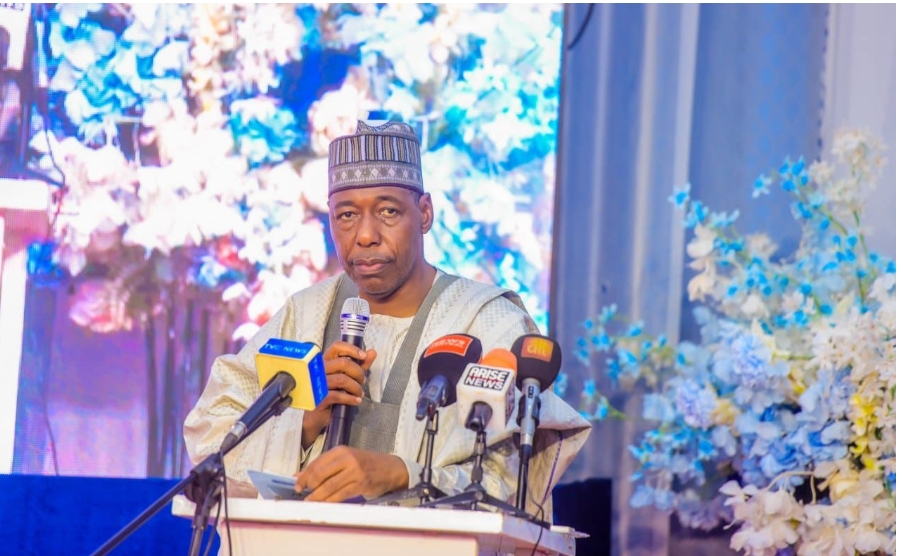
The governor’s recent visit to the National Orthopaedic Hospital in Azare, Hawul Local Government Area, offers a perfect window into this governance philosophy. By announcing an additional N200 million intervention, bringing Borno’s total contribution to the federal institution to N400 million, Zulum demonstrated a rare brand of collaborative patriotism.
In contemporary Nigerian politics, sub-national executives frequently rely on jurisdictional blame-shifting, leaving decaying federal infrastructure within their borders to rot while waiting on Abuja. By contrast, the Zulum administration treated this federal asset as a shared civic responsibility. Recognizing that the hospital serves Borno citizens and neighbors from Cameroon, the state proactively capitalized the project to ensure its immediate take-off. This pragmatic model of cooperative federalism yielded dividends immediately, with over 4,000 patients treated and 300 major surgeries executed within its first six months.
However, the Azare intervention is merely a tactical piece of a much larger, highly strategic health blueprint. To truly understand the future of healthcare in Borno, one must analyze the three core pillars driving Zulum’s medical revolution.
1. The Apex of Tertiary Excellence: Borno State University Teaching Hospital
At the peak of this pyramid is the flagship 400-bed Sir Kashim Ibrahim Teaching Hospital (Borno State University Teaching Hospital), now entering its final 60-day completion window. Supported by a N10 billion medical equipment procurement injection, this facility is designed to stop patient flight out of the Northeast.
The strategy relies on a seamless referral pipeline. Patient care begins with local clinics at the primary level, ascends to general hospitals for secondary interventions, and culminates at specialized facilities like the Borno State University Teaching Hospital and National Orthopaedic centers for advanced tertiary treatment.
By establishing a top-tier homegrown clinical environment, Borno is laying the groundwork to train its own specialists, conduct advanced medical research, and manage complex tertiary cases locally. This is closely complemented by a new 300-bed State Orthopaedic Hospital along the Dikwa Road, creating a dense network of specialized referral hubs capable of serving the entire Lake Chad basin.
2. Decolonizing Human Resources: The Institutionalization of Local Nursing Colleges
A recurring diagnostic failure in developing health systems is building magnificent hospital structures without a sustainable pipeline of skilled professionals to run them. This vulnerability is worsened by the national “Japa” phenomenon, which continues to bleed Nigeria of its core medical talent. Zulum has systematically dismantled this bottleneck through aggressive localized capacity building.
The recent inauguration of state-of-the-art Colleges of Nursing and Midwifery in Monguno (Northern Borno) and Gwoza (Southern Borno) represents a deliberate decentralization of medical education. Coupled with state-funded scholarships for over 600 indigenous students to study nursing and midwifery, the administration is deliberately cultivating a localized, conflict-resilient healthcare workforce. By bonding and training personnel within their own geopolitical zones, the state guarantees a higher retention rate of frontline medical staff who are culturally and socially invested in the rural and semi-urban communities they serve.
3. Secondary Healthcare Democratization: Overcoming Geographical Exclusion
To bridge the gap between primary health units and tertiary centers, the administration has executed an expansive remodeling and construction campaign at the secondary level. Borno is Nigeria’s second-largest state by landmass, and historically, severe spatial inequality meant rural patients had to navigate hours of insecure roads just to access clinical care in Maiduguri. The Zulum blueprint directly confronts this geographical exclusion, ensuring that no local government area is left as a medical desert.
In terms of new frontiers, the ongoing construction of 100-bed General Hospitals in Kwaya Kusar, Shaffa, and Kaleri demonstrates an equitable distribution of secondary health infrastructure. Meanwhile, specialized upgrades are transforming existing facilities. The upgrading of the General Hospital Molai and the Infectious Diseases Hospital Ngarranam into specialized hubs, alongside the commissioning of dedicated eye and dental hospitals in Biu and Monguno, takes targeted, high-demand clinical care directly to regional centers.
The Macro-Fiscal Commitment
This rapid infrastructural expansion is not a product of administrative luck. It is a direct consequence of deliberate fiscal prioritization. In both the 2024 and 2025 fiscal years, the Zulum administration consistently allocated 15 percent of the state’s total budget to the health sector. This directly fulfills the historic target set by African heads of state in the 2001 Abuja Declaration, a benchmark many wealthier states across the federation have routinely failed to meet.
The Verdict: A Blueprint for National Emulation
What Governor Zulum is demonstrating in Borno goes beyond conventional corporate social responsibility or routine political projects. It is a masterclass in systemic health defense. By simultaneously tackling infrastructure deficits, funding advanced specialized equipment, and underwriting the production of human resources for health, Borno is building a self-sustaining medical ecosystem.
The injection of funds into the National Orthopaedic Hospital Azare proves that Zulum views development through a pragmatic, borderless lens. If a facility heals Borno citizens, it deserves Borno’s backing. For a state rising from the ashes of a brutal insurgency, these calculated investments do not just guarantee a better future for healthcare, they serve as a blueprint for post-conflict recovery and sustainable nation-building across the African continent.
About the Author:
Abubakar M. Kareto is a professional public affairs analyst and strategic communications strategist specializing in sub-national governance, public policy, and political dynamics across Nigeria and Africa. He can be reached via email at amkareto@gmail.com or on X (formerly Twitter) @amkareto.