By Florence Peter Dogumbe
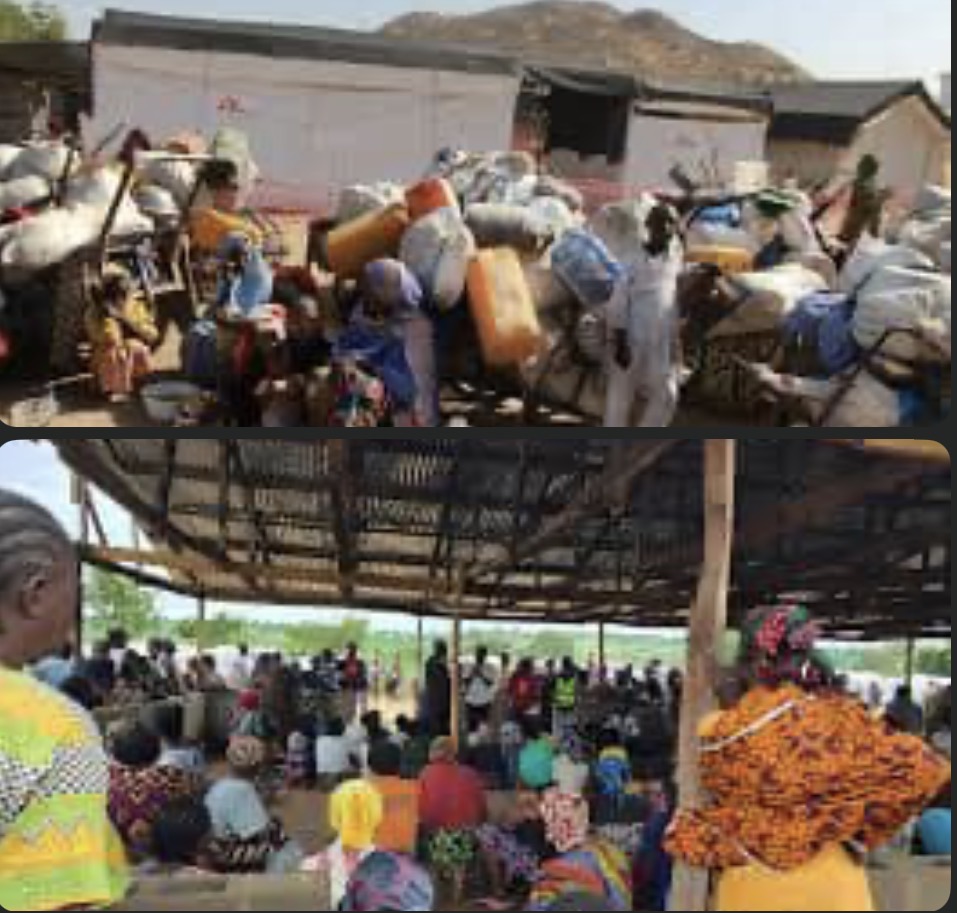
Maiduguri is a city where many families have come to stay after they were forced to leave their homes because of insecurity and conflict in Borno State. Many of these families left behind their houses, farms, businesses and other means of livelihood. They came to Maiduguri hoping to find safety and a better place to live. However, after arriving, they were faced with new challenges, including food, shelter, money, jobs and caring for their children.
For many years, these families have been trying to build a new life in Maiduguri. While some depend on support from humanitarian organisations, others are finding different ways to survive and provide for their families. Some have started small businesses, others are learning new skills, while some are returning to farming and animal rearing.
One of the ways displaced families are trying to rebuild their lives is through small businesses. Many lost their businesses when they were forced to leave their communities. As a result, they have had to look for other ways to earn money and support their families. Some sell food, clothes and other items, while others engage in tailoring and petty trading. Although the income may not be much, it can help them buy food and meet other basic needs.
For some displaced women, learning tailoring has provided an opportunity to earn an income. They now use the skill to make clothes for people and support their families. This shows that when displaced people are given opportunities to learn useful skills, they can become more self-reliant instead of depending entirely on assistance.
Learning new skills is also helping displaced families to start their lives again. When people lose their homes and their previous means of livelihood, acquiring a new skill can give them another opportunity to earn a living. Some displaced people have received training in areas such as tailoring, farming and poultry. After receiving the training, they can use the skills to generate income and provide for their families.
Farming and animal rearing are also helping some displaced families rebuild their livelihoods. Before they were displaced, farming and keeping animals were important sources of food and income for many families. However, when they were forced to leave their communities, many lost their farms and livestock. Some are now trying to return to these activities whenever the security situation allows.
Some organisations have also supported displaced families with livestock so that they can begin animal rearing again. Such support can provide families with another source of income and food. Having a farm, livestock or a small business can help families become more independent and meet their daily needs.
Despite their efforts, rebuilding their lives has not been easy. Many displaced families still face problems such as lack of money, unemployment, high food prices and insecurity. Some want to return to their original communities but remain afraid because they are uncertain about the safety of those areas. Others may return only to discover that their houses have been destroyed or that they no longer have access to their farms and businesses.
Returning home, therefore, does not automatically mean that all their problems will disappear. Families still need security, employment, food, schools, healthcare and other basic services to live normal lives again. Without these necessities, it can be difficult for them to fully rebuild their lives.
The government and humanitarian organisations have continued to support displaced families in different ways. They provide food, financial assistance, training, farming materials and other forms of support to help people start again. Such assistance is important because it can give displaced families the opportunity to work, become self-reliant and provide for themselves.
For the families, the support also brings hope. Although they have lost many things, they continue to work towards a better life for themselves and their children. Many are not simply waiting for assistance; they are using the opportunities available to them to rebuild their lives and move forward.
Conclusion
The story of displaced families in Maiduguri is not only about suffering and the loss of homes. It is also a story of hope, resilience, hard work and the determination to build a better future.
Through small businesses, skills acquisition, farming, animal rearing and other forms of work, many displaced families are gradually rebuilding their livelihoods. However, their efforts can only go so far without adequate security, employment opportunities and continued support.
With sustained assistance from the government, humanitarian organisations and other stakeholders, displaced families can gradually regain their independence, provide better lives for their children and rebuild a more secure future.