By Mustapha Ibrahim Mohammed
In Maiduguri, the capital of Borno State, electricity is more than just a utility.
It is a lifeline for families, businesses, and schools trying to rebuild after years of conflict. Yet, for many residents, the flicker of light bulbs remains an uncertain luxury.
A City in Transition.
For months, parts of Maiduguri have endured long stretches without stable electricity, forcing households to rely on petrol generators or solar panels. The rising cost of fuel has made generators less sustainable, while solar options remain too expensive for most families.The situation is particularly challenging in communities like Gwange and Bulumkutu, where traders depend on cold storage for perishable goods. Without reliable power, food waste has become a daily reality, cutting into profits and raising prices for consumers.
Human Stories Behind the Wires
Take the case of Aisha Musa, a mother of four who runs a small tailoring shop in Gwange. She explains that her sewing machines often sit idle when the power goes out. “I spend more on fuel than I earn some days,” she says, adjusting fabric under dim light. “If there was steady electricity, I could double my work.”Students also feel the pinch.
At the University of Maiduguri, many undergraduates complain that unstable power makes it difficult to study at night. Some rely on rechargeable lamps, but these too depend on electricity to function.
Efforts and Challenges
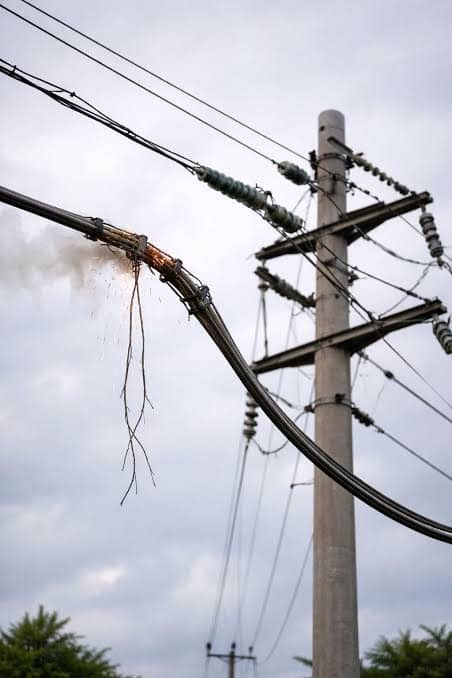
The Yola Electricity Distribution Company (YEDC) has promised improvements, citing ongoing repairs to transmission lines damaged during insurgency attacks. Local authorities have also encouraged investment in renewable energy, but progress has been slow.
Civil society groups argue that restoring reliable electricity in Maiduguri is not just about convenience it is about rebuilding confidence in a city scarred by conflict. Power supply, they say, is a symbol of normalcy.
The Bigger Picture
Maiduguri’s electricity struggle reflects a broader challenge across Nigeria: how to balance infrastructure recovery with rising costs and limited resources. While national attention often focuses on fuel prices and subsidy debates, communities like Maiduguri remind us that electricity itself remains a fragile promise.For residents, the real question is not simply when the lights will come back on. It is whether they will stay on long enough to change lives.