By Isaac Waziri
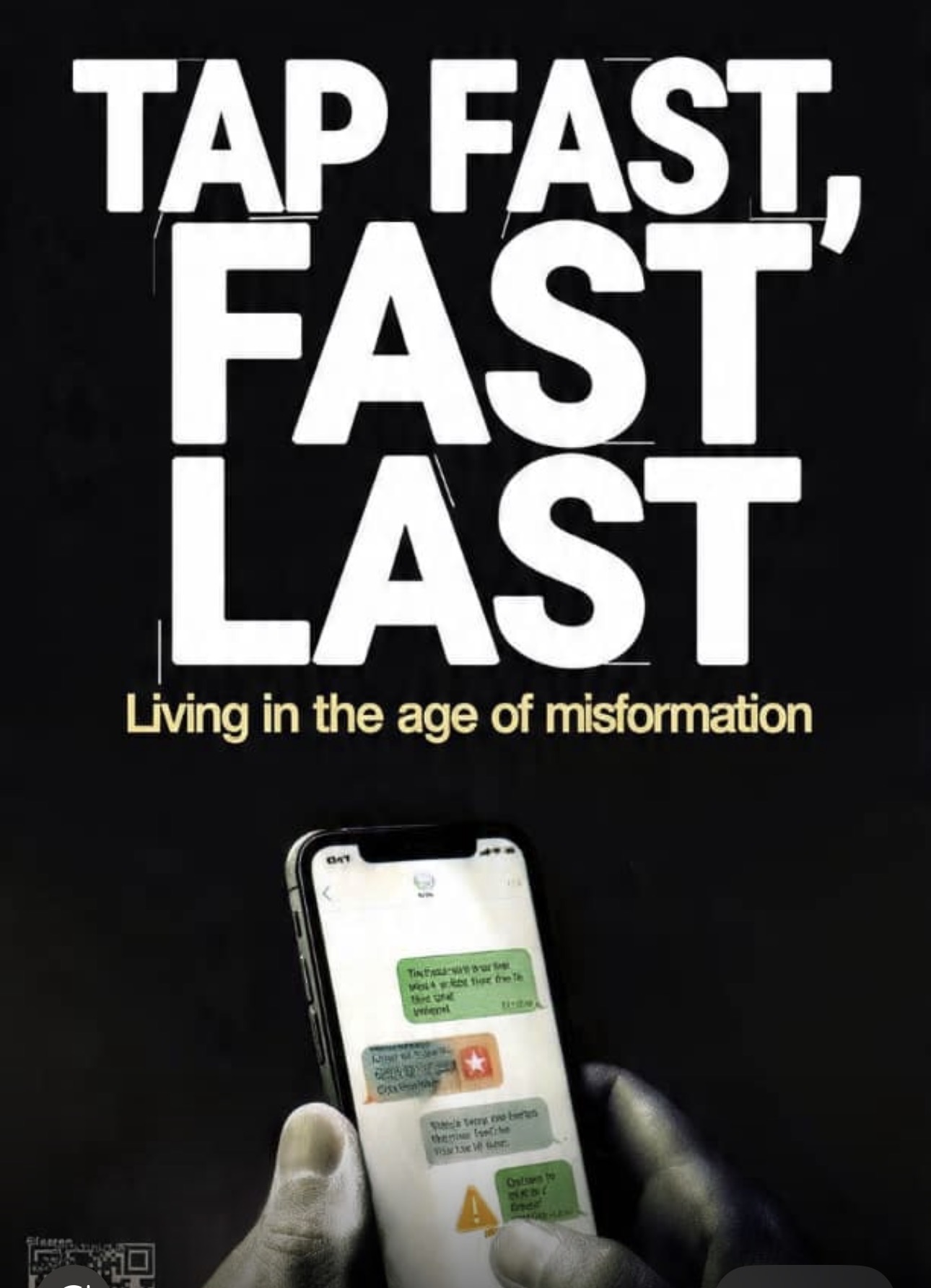
The message arrived just before sunrise, a concerned mother hurriedly forwarded it to her family WhatsApp group, warning everyone not to eat tomatoes because they had allegedly been injected with a deadly virus. Within minutes, the message had been shared dozens of times. Friends urged one another to remain vigilant, while some local traders watched as anxious customers avoided their stalls.
By midday, health authorities had dismissed the claim as false. But the damage had already been done.
This is the reality of today’s digital world, where information travels at the speed of a tap, yet truth often struggles to keep up. Social media has transformed how people consume news, communicate, and express opinions. It has connected billions of people across the globe, giving ordinary citizens unprecedented access to information. At the same time, it has opened the floodgates to misinformation, disinformation, and fabricated content that can spread faster than verified facts.
As smartphones become more common and internet access expands, societies are increasingly confronted with an important question: How do people distinguish truth from falsehood in an age where anyone can publish information?
Unlike traditional media, where stories typically pass through editors, fact-checkers, and established editorial processes, social media platforms allow virtually anyone to create and distribute content instantly. While this has democratised communication, it has also made it easier for false information to flourish.
Rumours, manipulated images, edited videos, and misleading headlines now circulate widely across platforms such as WhatsApp, Facebook, TikTok, X, and Instagram. Some are shared out of genuine concern by people who believe they are helping others. Others are deliberately created to deceive, influence public opinion, generate online engagement, or make financial gain.
The consequences extend far beyond social media timelines.
False health information has discouraged people from seeking medical treatment or accepting vaccines. During elections, misleading claims and manipulated videos have fuelled political tension and undermined public trust. Fake reports during emergencies have created unnecessary panic, while fabricated stories have damaged personal reputations and businesses almost overnight.
According to the Reuters Institute Digital News Report 2025, many people around the world identify online misinformation as one of their greatest concerns about the digital information environment. The report notes that social media and video-sharing platforms have become major sources of news, particularly among younger audiences, increasing the importance of media literacy and verification.
Artificial intelligence has added another dimension to the challenge.
Generative AI tools can now produce realistic images, convincing audio recordings, and highly persuasive written content within seconds. Deepfake technology can imitate voices and facial expressions so convincingly that distinguishing genuine recordings from manipulated ones is becoming increasingly difficult.
While these technologies have many beneficial applications in education, healthcare, and business, they have also increased the risk of sophisticated misinformation campaigns capable of misleading millions of people.
The growing threat of misinformation is reflected in the World Economic Forum’s Global Risks Report 2025, which ranked misinformation and disinformation as the world’s most severe short-term global risk for the second consecutive year. Based on responses from more than 900 global experts, the report warns that the rapid spread of false information—accelerated by artificial intelligence and social media—poses a significant threat to public trust, democratic processes, and social cohesion. The report further notes that about 5.5 billion people are online and over 5 billion use social media, creating an unprecedented environment for both accurate information and falsehoods to spread at remarkable speed.
Despite these challenges, experts argue that technology itself is not the problem. Rather, the greatest danger lies in how people choose to use it.
Media and information literacy has therefore become more important than ever. Before sharing information online, individuals are encouraged to verify the source, compare reports from credible news organisations, examine publication dates, and remain cautious of emotionally charged headlines designed to provoke immediate reactions.
Professional fact-checking organisations such as Africa Check, Dubawa, and FactCheck.org continue to expose false claims circulating online. Many news organisations have also strengthened their verification processes to ensure that speed does not come at the expense of accuracy.
Educational institutions also have a critical role to play. Schools and universities can equip students with the skills needed to evaluate online information critically, identify misleading content, understand how algorithms influence what people see online, and recognise the ethical responsibilities that accompany digital communication.
Governments and technology companies likewise face increasing pressure to address the spread of misinformation without undermining freedom of expression. Achieving this balance remains one of the defining challenges of the digital era.
For countries like Nigeria, where millions rely on social media for daily news and information, the stakes are particularly high. False information has the potential to influence elections, disrupt public health campaigns, inflame communal tensions, and erode confidence in institutions. Yet the same digital platforms also provide opportunities for education, civic engagement, entrepreneurship, and public participation when used responsibly.
Ultimately, misinformation is not merely a technological problem; it is a human one.