By Abubakar M. Kareto
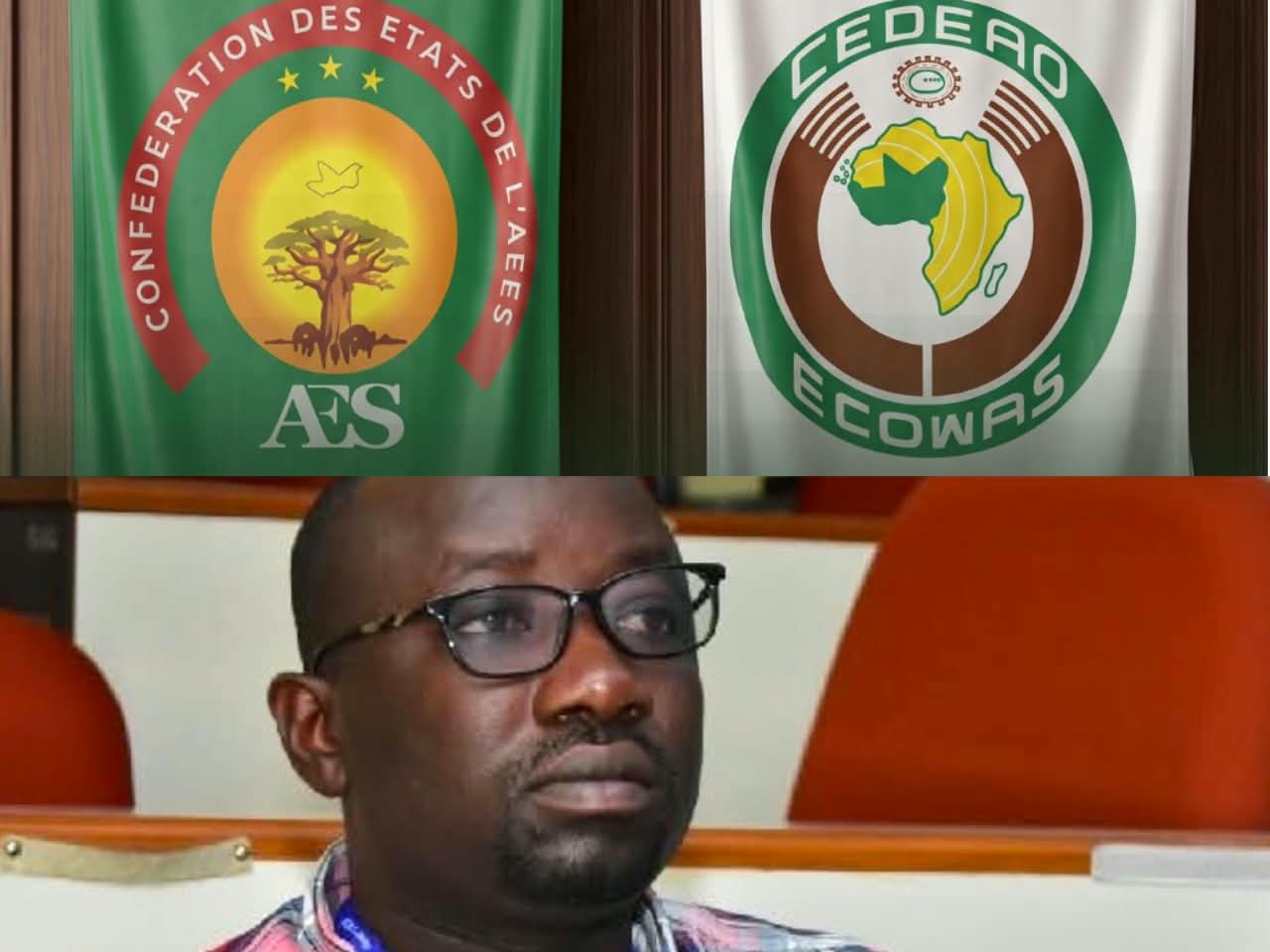
Statecraft rarely forgives the substitution of external alignment for strategic self-interest. When the Economic Community of West African States initiated formal talks in Dakar with the Alliance of Sahel States comprising Mali, Burkina Faso, and Niger the move represented far more than routine diplomacy. It marked a sober reckoning with one of the most consequential geopolitical miscalculations in post-independence West Africa. For over two years, the sub-region has functioned under an artificial fracture, torn between coastal capitals championing institutional orthodoxy and Sahelian regimes forging an autonomous security axis. Nigeria’s leadership in opening direct dialogue acknowledges a hard truth that should never have been contested: regional strength is inexorably bound to internal cohesion, geography, and collective numbers.
The initial rupture was an unforced error born of misplaced priorities. In the frantic aftermath of the July 2023 coup in Niamey, the early foreign policy posture of President Bola Ahmed Tinubu’s administration within ECOWAS was defined by hasty ultimatums, draconian border closures, and the destabilizing threat of military intervention. In hindsight, regional leadership committed the grave mistake of doing the diplomatic bidding of external powers, particularly France, whose historic dominance in the Sahel had generated immense grassroots resentment. Rather than prioritizing indigenous unity, the regional bloc allowed European geopolitical anxieties to dictate West African actions. Never again should external interests fracture our regional architecture or push sovereign African states toward mutual destruction.
Geography cannot be renegotiated by treaty or diplomatic tantrum. The Sahelian trio does not exist in isolation; it shares thousands of kilometers of porous, interdependent borders with ECOWAS member states, with Nigeria alone sharing a frontier spanning over one thousand five hundred kilometers with Niger. Along these borders reside communities tied by centuries of kinship, shared trade corridors, and interlocked local economies. When borders were sealed and cross-border electricity lines disconnected, it was not the military authorities in Bamako or Niamey that suffered the greatest blow; it was ordinary traders, farmers, and pastoralists across northern Nigeria and the wider sub-region. Severing economic links with landlocked neighbors only devastated border commerce and fractured integrated regional supply chains.
Beyond commerce, the security cost of this diplomatic estrangement has been catastrophic. The Sahel constitutes the frontline shield against violent extremism, where the Islamic State in the Greater Sahara and Jama’at Nasr al-Islam wal-Muslimin operate across fluid national jurisdictions. Decoupling ECOWAS from the AES dealt a severe blow to regional intelligence sharing, joint border patrols, and collective operations such as the Multinational Joint Task Force. Militant networks quickly exploited the institutional paralysis, weaponizing the lack of coordination to push their destructive operations southward toward littoral states like Togo, Benin, and Côte d’Ivoire. Pretending that West Africa could secure its perimeter while isolating the very nations fighting on its frontline was a dangerous strategic illusion.
Geopolitics abhor a vacuum, and the punitive isolation adopted by ECOWAS merely pushed the Sahelian states into alternative partnerships. By treating the juntas with hostility while perceived as serving Western agendas, the regional bloc opened the door wide for Moscow to entrench its influence across the Sahel through bilateral security pacts and paramilitaries. Instead of maintaining West Africa as an integrated, non-aligned economic bloc, the region was dragged into a new proxy theater of great power rivalry. The Alliance of Sahel States hardened its posture, minting a narrative of anti-imperialist sovereignty that resonated deeply with African citizens. ECOWAS inadvertently transformed a manageable governance dispute into an entrenched ideological and external confrontation.
Fortunately, wisdom in international affairs lies not in defending an error, but in correcting it before catastrophe becomes permanent. The current diplomatic track in Dakar, featuring Nigeria’s senior diplomatic envoys engaging their Sahelian counterparts to build a General Framework Agreement ahead of the December ECOWAS Summit in Abuja, proves that pragmatism is returning. President Tinubu’s pivot toward quiet diplomacy, constructive engagement, and sovereign realism is the right move for Nigeria and the continent. By shifting the agenda away from regime change and external proxy fights toward counter-terrorism cooperation, transit trade protocols, and mutual respect, Abuja is reasserting its traditional role as West Africa’s indispensable stabilizer.
Rebuilding broken bridges will require patience, humility, and sustained compromise. ECOWAS must discard coercive posturing and affirm that regional integration in the twenty-first century must be founded on genuine economic partnership and pan-African solidarity, free from foreign manipulation. The Sahel nations, on their part, must recognize that distant superpowers cannot replace the enduring geographic and cultural destiny they share with their West African brothers. Nigeria has taken the decisive step to heal Africa’s largest political split. Both sides must seize this window to construct a durable security and economic pact, for without an undivided West Africa, no single nation can truly prosper or remain secure.
Abubakar M. Kareto is a Public Affairs Analyst and Communications Strategist focusing on governance, public policy, and institutional reform across Nigeria and Africa. He can be reached on X @amkareto and via email at amkareto@gmail.com.