By Abubakar M. Kareto
The political earthquake that rocked Washington on Tuesday sent shockwaves far beyond the borders of the United States. In a decisive rebuke, American voters stripped the governing Republican Party of its congressional majorities, handing control of both the House of Representatives and the Senate to the Democratic Party. Driven by compounding anger over inflation, soaring fuel prices, unresolved foreign conflict, and perceived administrative corruption, the electorate delivered a clear verdict against Donald Trump’s administration. For international observers, the outcome was not merely a local mid-term realignment; it served as a masterclass in the psychology of voter rejection and incumbent vulnerability.
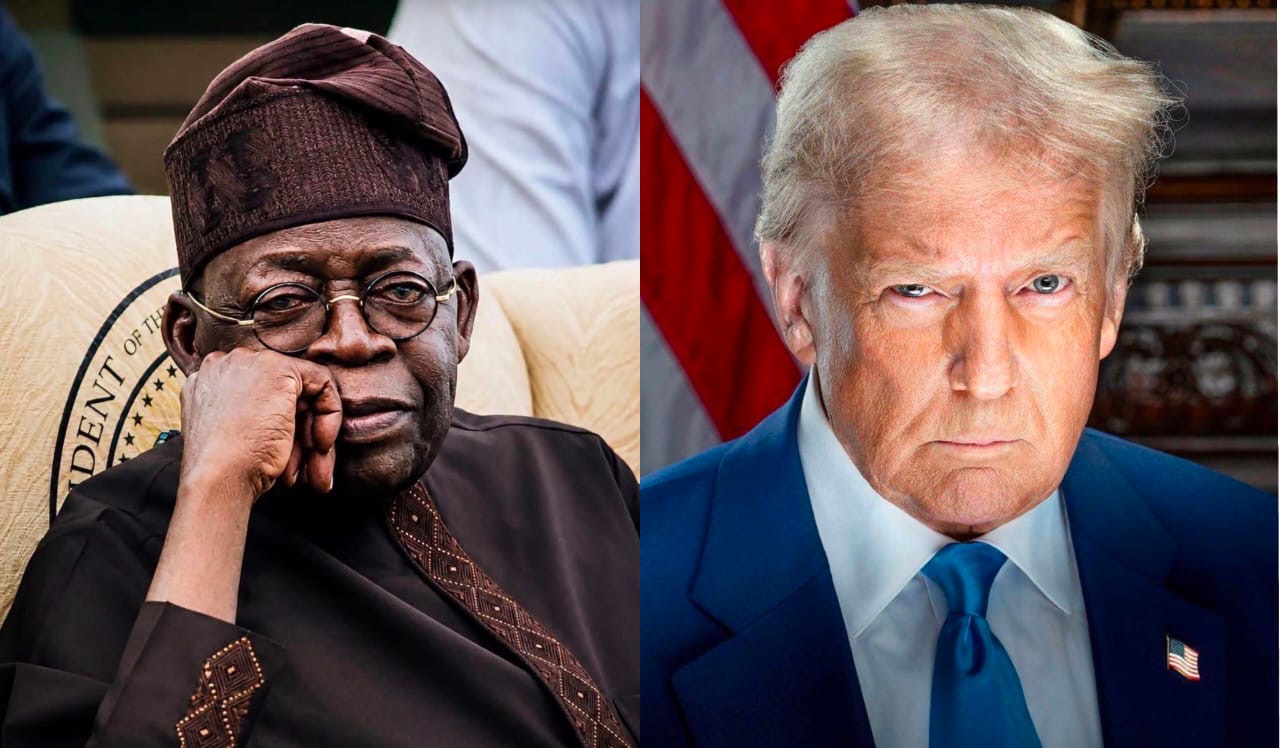
As Nigeria approaches its general elections on January 16, 2027, the developments in Washington offer an indispensable case study for Aso Rock and the national political class. The parallels between both nations are striking despite their distinct constitutional architectures. In Nigeria, public frustration over the soaring cost of living, persistent insecurity, and lingering allegations of official corruption has reached a boiling point. With President Bola Tinubu seeking a second term amid approval ratings hovering near 30 percent, the message from the American electorate could not be clearer: structural advantages and party machinery mean little when citizens face daily economic hardship.
American voters punished their governing party not over abstract promises, but over the tangible pain felt in their pockets, grocery aisles, and gas stations. In the final stretch of the campaign, President Trump attempted to frame the election as a direct personal referendum, backed by heavy financial promises to his base. The electorate accepted the invitation but delivered the exact opposite verdict. The lesson for Nigerian leaders is immediate: voters eventually penalize compound hardship. When a government relies on macroeconomic statistics to defend its record while ordinary citizens face empty stomachs, political accountability becomes inevitable at the ballot box.
This global precedent will undoubtedly alter the psychological landscape of Nigeria’s upcoming contest. First, it provides immense momentum to opposition figures such as Atiku Abubakar and Peter Obi, who can now frame their campaigns around a proven global narrative. Second, it deepens anxiety within the ruling All Progressives Congress, forcing party leaders to question whether their internal machinery can withstand widespread public discontent. Most importantly, it grants Nigerian voters the psychological permission to believe that peaceful, lawful electoral rejection of an incumbent is entirely possible.
For public office holders in Abuja, the takeaway is that technical defenses of economic policies are insufficient without felt relief. The administration’s subsidy removals and currency reforms may carry technocratic justification, but with a vast majority of Nigerians reporting they are worse off today than in May 2023, time is running out. Aso Rock must treat the economy as an emergency rather than a public relations challenge. Immediate, visible price relief in food, fuel, and energy is essential to counter the opposition’s most potent arguments before voters head to the polls.
Simultaneously, the administration must de-escalate its confrontational posture toward political opponents and critics. American voters repudiated perceived overreach and lawlessness just as strongly as economic misery. Every instance of state pressure on the opposition or constitutional maneuvering serves as fuel for a campaign framed around executive excess. Demonstrating a genuine commitment to rule of law and ensuring a transparent, unhindered process under the Independent National Electoral Commission will be vital to restoring public trust.
For INEC, the American election highlights the critical importance of institutional integrity. Peaceful transitions and credible electoral outcomes depend entirely on an independent umpire that inspires confidence across the political spectrum. If Nigerian voters believe the electoral process is fair and their votes will count, participation will remain rooted in constitutional channels. INEC must safeguard its processes against any perception of bias to preserve stability and uphold the democratic mandate.
In the end, Washington has demonstrated that late administrative adjustments rarely overtake accumulated grievances. Seventy-four days remain before Nigeria’s own judgment day, and the clock remains the most unyielding opponent for the ruling establishment. Nigerians, like Americans, do not vote for statistics; they vote against unbearable conditions. Unless public office holders move swiftly from political rhetoric to genuine relief, the political tsunami that reshaped Washington on Tuesday will find its terrifying echo at the ballot boxes of Nigeria on January 16, 2027.
Abubakar M. Kareto is a Public Affairs Analyst and Communications Strategist focusing on governance, policies, economy, and institutional reforms across Nigeria and Africa. He can be reached on X @amkareto and via email at amkareto@gmail.com.