
News
When Fear Becomes a Neighbour: A Witness to Terror in Borno State

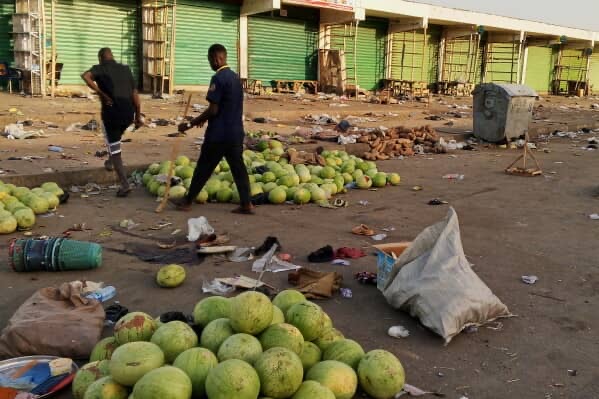
By Oladepo Matthew Olatunbosun, Student from Department Of Mass Communication, University of Maiduguri
The sound of gunfire, the cries of fleeing families and the uncertainty of survival are realities that many Nigerians know only through newspaper headlines and television reports.
But for those of us who have lived in Borno State, terrorism is not merely a story it is an experience etched into our memories.
As a student and resident in Maiduguri, I have witnessed the painful consequences of terrorism and banditry on communities across Borno State. I have seen families abandon their homes overnight. I have listened to stories of parents searching desperately for missing children and farmers lamenting the loss of their farmlands and livelihoods.
Communities such as Gwoza, Bama, Konduga, Dikwa and other parts of Borno have, at different times, borne the devastating effects of terrorist attacks. Many residents who once lived peacefully in these communities have been displaced, seeking refuge in Maiduguri and other safer locations.
Some arrived with little more than the clothes they wore, carrying emotional scars that may never fully heal.
I remember meeting internally displaced persons whose lives had been completely altered by violence. Their stories were remarkably similar to sudden attacks, homes set ablaze, properties destroyed and families separated by the chaos of insurgency.
Behind every statistic released by authorities are real people whose dreams and aspirations have been interrupted.
The consequences of terrorism extend beyond physical destruction. Fear has become a constant companion for many residents.
Children who should be in classrooms have spent years in displacement camps. Farmers who once contributed to Nigeria’s food production now hesitate to return to their fields. Small businesses that sustained families have collapsed under the weight of insecurity.
The economic implications are enormous. Agricultural activities in many communities have declined, contributing to food shortages and rising prices.
Educational development has been disrupted, and investors remain reluctant to commit resources to areas perceived as unsafe.
Yet amid the pain and destruction, the resilience of the people of Borno remains remarkable. I have seen communities rebuild from ruins and families encourage one another despite unimaginable losses. Their courage is a testament to the strength of the human spirit.
However, resilience alone cannot solve the problem. Nigeria’s fight against banditry and terrorism requires more than military operations.
There is an urgent need for improved intelligence gathering, modern security equipment and stronger collaboration among security agencies.
Government at all levels must also address poverty, unemployment and lack of educational opportunities that make vulnerable youths susceptible to criminal recruitment.
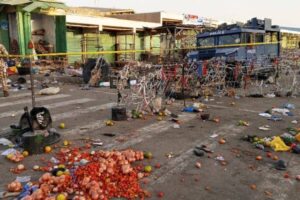
Equally important is the rehabilitation and support of victims. Internally displaced persons need access to quality education, healthcare, psychological support and economic opportunities that can help them rebuild their lives and restore their dignity.
As someone who has witnessed the effects of terrorism in Maiduguri, I have come to understand that insecurity is not a distant national issue affecting only a few communities. It is a collective tragedy that threatens the future of Nigeria itself.
The tears of displaced mothers, the empty homes in abandoned communities and the shattered dreams of innocent children should challenge the conscience of every Nigerian.
Peace and security are not privileges reserved for a few; they are fundamental rights of every citizen.
Until the people of Borno and other affected communities can sleep without fear, farm without threats and educate their children without anxiety, Nigeria’s quest for development and prosperity will remain unfinished.











Kyari’s Timely Mission in Oromia: What Nigeria’s Wheat Farmers and Agribusinesses Should Expect

Petrol discount not subsidy says Presidency

Late filing of SERAP’s brief bungles hearing in their appeals against ₦101m judgment debt

Dlakwa Assumes office as Acting Vice Chancellor, Borno State University ”BOSU”

Jonathan visits Tinubu at Aso Villa
