By Thlama Samuel Maina, 300 Level Student, University of Maiduguri, Faculty of Communication and Media Studies, Department of Mass Communication
The rain had barely stopped when the water began entering the houses.
At first, residents watched from their doorways as the water slowly covered the streets. Within minutes, what had started as a normal rainfall had turned into a frightening flood. Children were carried to safer places, residents struggled to move their belongings, and traders watched helplessly as water swept through their shops.
For many residents, it was not the first time.
Across Nigerian cities, heavy rainfall has increasingly become a source of fear rather than relief. From Lagos to Maiduguri, Minna to Abuja, flooding continues to disrupt communities, destroy property and threaten livelihoods.
The question is no longer simply why it rains so heavily.
The bigger question is: Why do Nigerian communities keep getting flooded?
Flooding is not a new problem in Nigeria. During the rainy season, several communities experience flooding as rivers overflow, drainage systems become overwhelmed and rainwater accumulates on streets.
But behind every flood statistic is a human story.
A family that loses its furniture. A trader whose goods are destroyed. A student who cannot get to school. A farmer whose crops are washed away. A resident who spends the night searching for a safe place for their children.
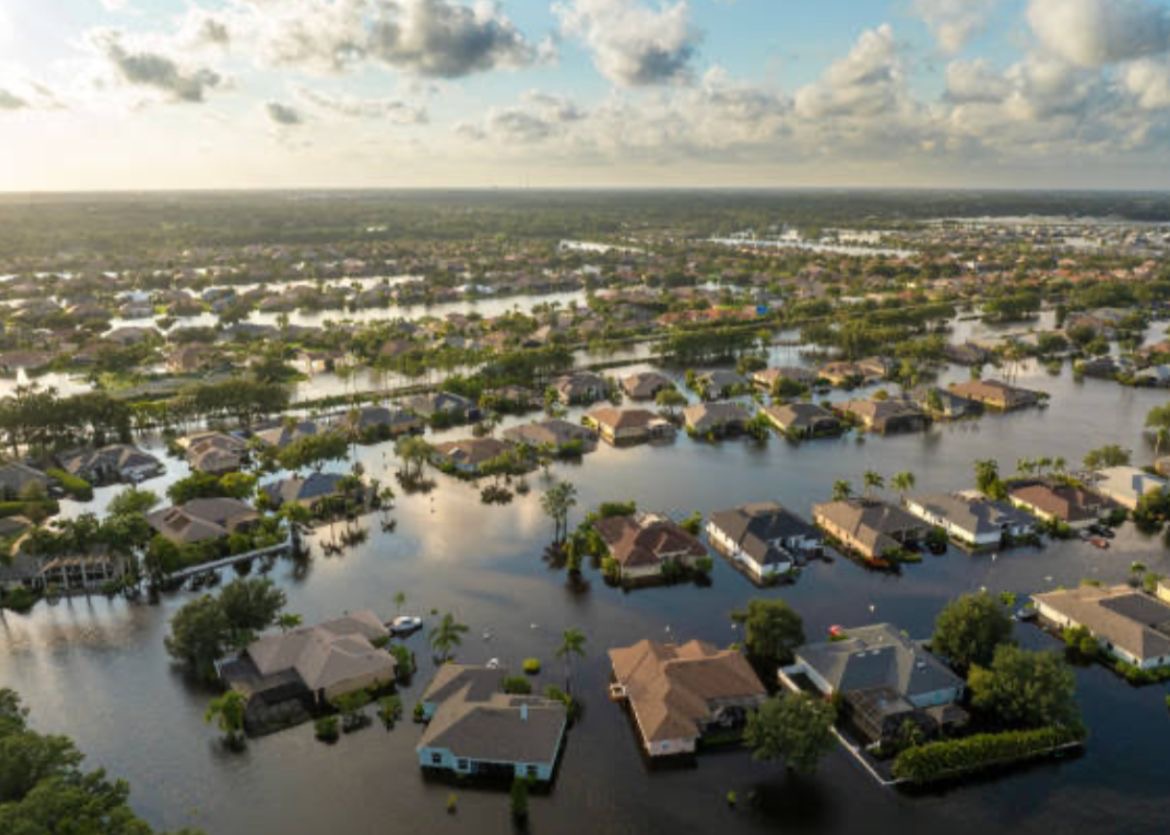
In August 2026, parts of Minna, Niger State, experienced flash flooding that affected communities including the M.I. Wushishi Housing Estate. Reports from the incident described houses and properties being damaged by floodwater, while residents struggled to rescue their belongings.
For people living in affected areas, flooding is not merely an environmental issue. It is a threat to their homes, businesses and everyday lives.
One of the major causes of flooding in Nigerian cities is poor drainage.
In many communities, drainage channels are either too small, blocked with waste or poorly maintained. When heavy rainfall occurs, water has nowhere to go. Instead, it spreads across roads and into homes and business premises.
Waste disposal makes the situation worse.
Plastic bottles, nylon bags, food containers and other forms of rubbish are often thrown into drainage channels. When rain comes, these materials prevent water from flowing freely.
A drainage system that should carry rainwater away from homes can quickly become a collection point for waste.
Poor urban planning is another major factor.
As Nigerian cities expand, buildings, roads and other structures continue to take up spaces that naturally absorb rainwater. In some areas, construction has taken place close to waterways and other flood-prone locations.
When natural water channels are blocked or covered, rainfall finds alternative paths.
Unfortunately, those paths are sometimes people’s homes and streets.
Climate change is also adding another layer to the problem. Changes in rainfall patterns can bring intense rainfall within a short period, increasing the possibility of flash floods in areas that may already have weak drainage systems.
The consequences can be devastating.
Flooding can destroy houses, vehicles, businesses, roads and electrical installations. It can also force families to leave their homes temporarily or permanently.
For low-income households, the impact can be particularly severe.
A wealthy family may be able to repair a damaged house or replace destroyed belongings. For a family living on a small income, losing a mattress, refrigerator, business goods or farming equipment can represent months or even years of savings.
Floodwater can also create public-health concerns.
When floodwater mixes with sewage, household waste and other contaminants, it can create unhealthy conditions for residents. People may be exposed to contaminated water and an increased risk of waterborne diseases.
Children are particularly vulnerable.
In some communities, flooded roads prevent children from reaching school. In others, schools themselves may be affected by floodwater, disrupting education for days or even weeks.
Businesses also suffer.
A shop owner may wake up to discover that goods purchased with hard-earned money have been destroyed overnight. Transport operators may struggle to move passengers through flooded roads, while customers may stay indoors because of unsafe conditions.
Yet flooding does not always have to become a disaster.
Experts and environmental authorities have repeatedly stressed the importance of proper drainage, responsible waste disposal, urban planning and early warning systems.
Government agencies and local authorities also have an important role to play. Drainage channels need regular maintenance, flood-prone areas must be properly identified, and building regulations need to be enforced.
Residents, too, have a responsibility.
Throwing rubbish into drainage channels may seem like a small act, but when thousands of people do it, the consequences can become enormous.
Communities can also organise local sanitation activities and report blocked drainage channels before heavy rainfall turns them into serious hazards.
The solution, therefore, cannot rest entirely on government.
It requires cooperation between government agencies, environmental experts, urban planners and residents.
For communities that experience flooding year after year, the rainy season should not be a period of constant fear.
Rain should bring relief to farmers, replenish water sources and support life—not force families to abandon their homes.
The real tragedy is that some floods become disasters not simply because too much rain falls, but because communities are not adequately prepared for the water.
As Nigerian cities continue to grow, the country must ask a difficult but necessary question: Are our cities being built to accommodate the future, or are we simply waiting for the next rainfall to expose the weaknesses beneath them?
For residents living in flood-prone communities, the answer cannot come after the water has entered their homes.
It must come before the rain.