By Abubakar M Kareto
“We have to support and promote our own. We have to make our companies stronger. Worthy of mention in the Flutterwave story is the company’s ability to solve an African problem using an indigenous solution that addresses challenges related to digital payment for products and services, among others.”
~ Vice President Kashim Shettima
When global technology giants retreat from African frontier markets, a predictable chorus of commentators rushes to frame the exit as an indictment of the domestic business climate. Pundits reflexively blame currency devaluation, inflation, and policy volatility, insisting that if a well-capitalised Silicon Valley pioneer cannot survive, the terrain itself must be unworkable.
I have long rejected that defeatist narrative. In my previous public interventions on the mechanics of African transport and platform economics, I argued that the eventual unraveling of imported, rigid gig models in Nigeria was not a matter of if, but when. Recent events have delivered total analytical vindication for that position.
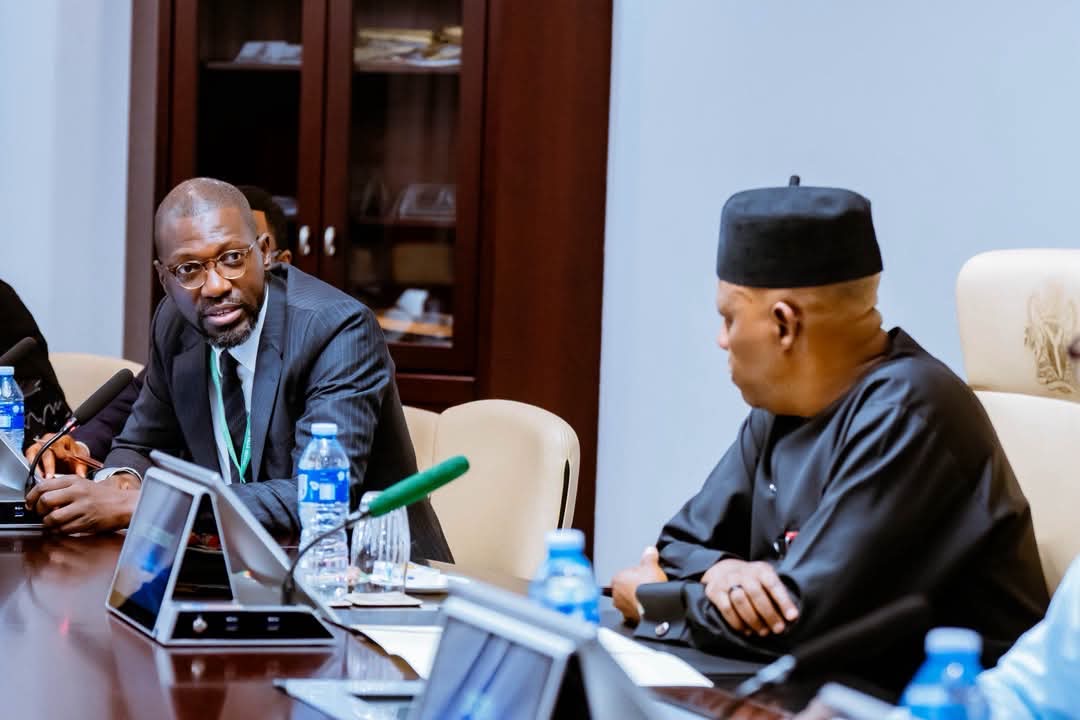
The exit of Uber from our commercial corridors is not a story of an inhospitable country chasing away innovation. It is the inevitable outcome of ground-level resistance, unworkable unit economics, and indigenous competitive displacement. Just as the foreign ride-hailing pioneer folded its operations, the Presidency provided the definitive counterpoint to the doom-mongers. When Vice President Kashim Shettima received the leadership of Flutterwave at the State House in Abuja, he gave voice to the exact reality I have consistently defended: the administration’s ongoing economic reforms are not an obituary for ambition, but a crucible built to transform indigenous firms into international brands.
The contrast between the State House reception and the multinational retreat cuts to the very heart of my thesis. It proves that the imported Silicon Valley copy-paste era is dead, and that sustainable enterprise in Africa belongs to domestic innovators who build for the ground beneath their feet.
Global platforms do not falter in emerging economies because people stop moving, buying, or transacting. They fail because their imported financial assumptions collapse under local stress. In markets like London or San Francisco, a twenty to twenty-five percent platform commission can be absorbed against low-interest auto loans, corporate tax offsets, and high median fares. In Lagos, Abuja, or Port Harcourt, where platform operators grapple with private vehicle financing rates exceeding thirty percent, soaring fuel prices, and grueling road conditions, extracting a quarter of gross turnover is economically unworkable.
As I have maintained from the beginning, the street was always going to correct this imbalance. The pioneer was not regulated out of Nigeria by bureaucratic decree; it was outmaneuvered by competitors that adapted to local purchasing power and operator survival. Platforms like inDrive abandoned rigid algorithms to introduce peer-to-peer fare bargaining, easing the psychological strain on price-conscious commuters. Bolt unlocked vehicle supply, while homegrown ventures like Shuttlers bypassed private sedans altogether to run tech-enabled corporate mass transit at half the cost. When drivers faced extractive platform deductions, they dual-app’d, staged collective actions, and migrated their vehicles to platforms that left food on their tables. The ground spoke, and the foreign model collapsed under its own rigidity.
The State House engagement between Vice President Shettima and Flutterwave CEO Olugbenga Agboola highlights the exact operating philosophy I have long championed: native technological resilience. While foreign consumer platforms viewed Nigerian market friction as an excuse to litigate, hike fees, or abandon operations, domestic champions like Flutterwave, Moniepoint, and Andela treated that friction as their foundational business case.
Indigenous innovators understand that sustainable growth in Africa cannot rely on burning foreign venture capital to subsidise unsustainable consumer habits. It requires solving systemic operational bottlenecks from within. Flutterwave did not assume seamless international card processing; it built enterprise-grade digital payment rails that unified fragmented local switches, mobile wallets, and domestic banking systems. Moniepoint pushed financial technology directly into informal merchant clusters and open-air markets. These companies engineered their systems for local currency realities, maintained domestic asset discipline, and aligned their operations with the regulatory framework of the Central Bank rather than threatening market shutdowns over statutory rules.
Vice President Shettima’s public affirmation that we must support and promote our own is more than diplomatic courtesy. It is a vital validation of the argument that domestic reforms must serve domestic industrial sovereignty. It recognizes that when bold macro policies dismantle rent-seeking and align fiscal realities, agile local firms step into the space surrendered by fragile foreign models.
Translating this vindication into enduring national strength requires deliberate policy follow-through.
First, competition authorities and transport regulators must establish a statutory ceiling between fifteen and eighteen percent on digital platform commissions. Capping extractive platform takes protects informal gig workers from bearing the brunt of macroeconomic shocks, ensuring that generated wealth circulates within the domestic economy rather than leaking into offshore balance sheets.
Second, the public sector must bridge the capital divide. While multinationals tap cheap offshore credit lines, domestic fleet aggregators and logistics innovators are constrained by double-digit commercial bank lending rates. The Ministry of Finance and the Bank of Industry should structure sovereign credit-guarantee mechanisms to de-risk commercial loans for domestic mobility operators, particularly those transitioning their fleets to Compressed Natural Gas and electric alternatives.
Finally, public procurement and data policy must actively back our own. Government ministries, departments, and agencies should mandate that official public-sector transit, logistical movement, and digital payments prioritize verified homegrown platforms. Simultaneously, statutory frameworks must ensure that geospatial and transit data generated within our borders remains hosted locally, preserving strategic commuter intelligence as a national asset.
The departure of an inflexible multinational is not a national loss; it is an overdue market correction. It confirms what my analysis maintained all along: foreign platforms that refuse to adapt will inevitably be displaced by agile domestic alternatives. With Vice President Shettima championing native enterprise from the seat of power, the direction is unmistakable. The era of imported digital extraction has closed, and the era of homegrown, sovereign enterprise has arrived.
Abubakar M. Kareto is a Public Affairs Analyst and commentator on governance, policy, politics, economy and media dynamics in Nigeria and Africa. He can be reached via email at amkareto@gmail.com and on X (formerly Twitter) @amkareto.