By Samuel Solomon
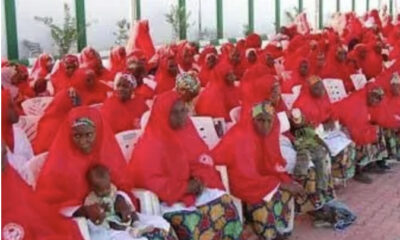
The Kano State Islamic police Hisbah Board has announced that Christians are eligible to participate in the state’s upcoming government-sponsored mass wedding programme, despite the initiative being rooted in Islamic family values and supervised by the Sharia enforcement agency.
The Deputy Commander of the Kano Hisbah Board, Mujahideen Aminuddeen, disclosed that the programme, popularly known as “Auren Gata” (marriage for the privileged), is open to all qualified intending couples, regardless of religion.
Speaking in Kano, Aminuddeen recalled that three Christian couples participated in the last edition of the mass wedding held in October 2023.
He, however, said preparations for the next exercise were still underway and could not confirm whether any Christian couples had registered for this year’s programme.
According to him, the initiative caters to widows, widowers, divorcees, bachelors, and spinsters who are unable to afford marriage expenses.
Aminuddeen said the programme was designed to strengthen family values, reduce social vices and encourage marriage among financially disadvantaged residents.
He said that one of its major objectives was to fulfil Prophet Muhammad’s injunction encouraging Muslims to marry and establish families, while also addressing social challenges linked to delayed marriages, according to Peoples Gazette.
According to him, the initiative discourages street hawking by young women seeking money for marriage expenses and helps curb immoral behaviour arising from financial hardship.
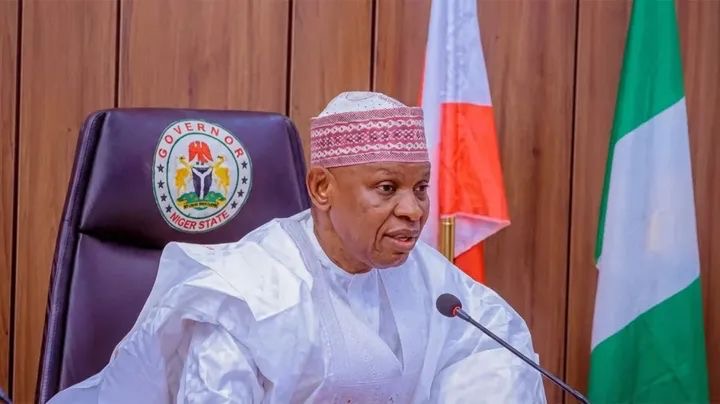
He added that the administration of Governor Abba Kabir Yusuf was prioritising orphans and underprivileged families, stressing that all beneficiaries undergo screening and verification before being admitted into the programme.
Several residents and experts who spoke on the initiative expressed support for the programme while also raising concerns over its implementation.
A stakeholder, Muhammad Lawan-Yakub, described the scheme as a commendable intervention capable of strengthening families, protecting young people from immoral behaviour and promoting social stability.
He said the counselling, medical screening, and post-marriage guidance provided by the Hisbah Board could improve the success rate of marriages and reduce divorce.
A Kano resident, Jamila Suraja, said the programme had assisted many vulnerable families but alleged that some beneficiaries in previous editions joined mainly to benefit from government support rather than to build lasting homes.
Another resident, Hassan Maikadara, said the initiative had given many financially disadvantaged men and women an opportunity to marry, thereby reducing the temptation to engage in immoral acts.
Economist Abdulsalam Kani argued that the programme could stimulate economic activity if properly implemented, particularly through the empowerment packages provided to beneficiaries.
Kani said, “As part of the initiative, the government will empower beneficiaries. Empowerment will help reduce poverty and unemployment.
“One of the major root causes of rampant divorce in the northern part of Nigeria is poverty. You cannot get married if you don’t have a means of livelihood.
“We need to understand that empowerment will only succeed if those who are going to be empowered have a particular skill or are in a particular trade.”
A sociologist, Muhammad Hadi-Musa, said the programme should be viewed beyond its ceremonial significance.
“The mass wedding initiative sponsored by the Kano State Government has become one of the most visible social intervention programmes in Northern Nigeria,” Hadi-Musa said.
“The current Governor, Abba Yusuf, like his predecessors, demonstrated exemplary quality in Sharia implementation, such as establishing marriages.
“At its core, the mass wedding programme reflects a public policy response to social realities,” Hadi-Musa said.
According to him, government support enables low-income individuals to formalise relationships that might otherwise be postponed indefinitely because of financial constraints.
“Kano has arguably recorded several visible gains from such programmes. The initiative has helped normalise simpler and more affordable wedding models, challenging excessive ceremonial spending that often delays marriage,” he added.
“It has also reinforced the idea that public institutions can participate in family-support policies rather than limiting interventions to infrastructure and economic sectors alone.
“In addition, the programme has generated public conversations around responsible marriage and family values.”
Meanwhile, the Commander-General of the Kano State Hisbah Board, Aminu Daurawa, recently announced that the state government had approved N1.5 billion for the next edition of the mass wedding programme, which is expected to accommodate 1,500 couples.
Daurawa said the board had already begun screening prospective beneficiaries through HIV, hepatitis B, pregnancy, and genotype tests to determine their health status and compatibility.
He added that every prospective groom must demonstrate that he has a source of livelihood and accommodation before being cleared for the marriage.
According to him, each groom will receive N100,000 as dowry for his bride, while every bride will receive N100,000 as business empowerment support. Beneficiaries will also be provided with beds, mattresses, furniture, and food items.
“The government will spend N1 million on each couple, totalling N1.5 billion. Each groom will be given N100,000 as dowry for their brides, N100,000 as a token for the brides as empowerment, and beds, mattresses, furniture, and food items,” Daurawa said.
“Five thousand applied for the programme. A total of 3000 are to benefit from the initiative; that is, 1500 couples.”
Daurawa further stated that participants in the mass wedding would not be permitted to divorce their wives without the consent of the Hisbah Board.