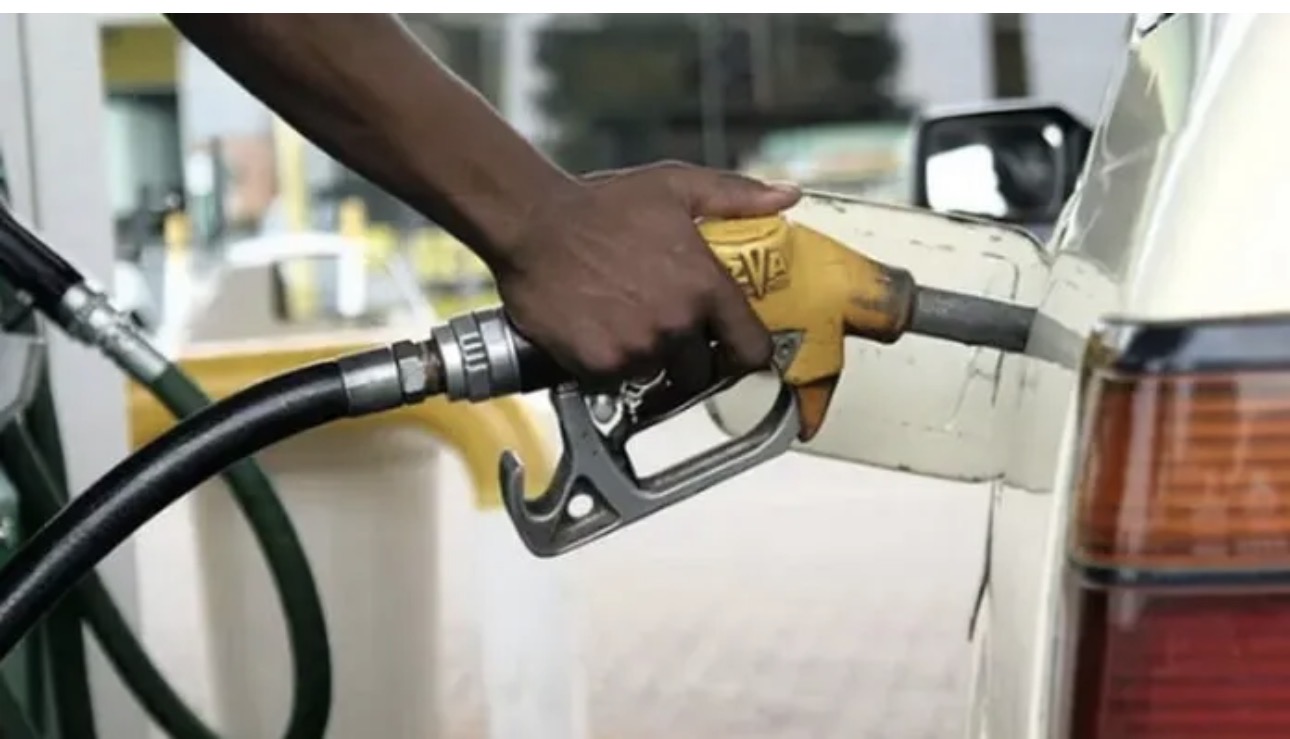
The retail price of petrol in Nigeria is edging towards N1,500 per litre after major oil marketers raised their pump prices from about N1,205 to between N1,310 and over N1,400 per litre.
The latest increases occurred even as international crude oil prices recorded a decline, with benchmark crude falling from around $92 to $87.31 per barrel.
Checks across Lagos and surrounding areas showed that MRS, one of the leading downstream petroleum marketers, adjusted its petrol price to N1,310 per litre from N1,205.
Other filling stations also reviewed their prices upward, with some marketers selling petrol for between N1,315 and above N1,400 per litre.
The development highlights the widening disconnect between international crude oil prices and the cost of petrol in Nigeria, as domestic supply conditions, refining, transportation, logistics and other market variables increasingly influence pump prices.
Data from OilPrice.com showed that Brent crude was trading at $88.10 per barrel, representing a 0.47 per cent decline, while West Texas Intermediate fell by 0.16 per cent to $83.40 per barrel.
Despite the softer international crude market, domestic petrol depot prices remained high as of Friday, August 28, 2026, with some locations recording prices of up to N1,217 per litre.
The Daily Depot Price Intelligence Report put Warri at the top of the monitored markets at N1,217 per litre, followed by Port Harcourt at N1,214, Calabar at N1,204 and Lagos at N1,202 per litre.
Mainland and Soroman depots in Calabar recorded the lowest reported price at N1,203 per litre.
In Warri, Liquid Bulk sold petrol at N1,215 per litre, while Masters, Matrix, Sigmund and T.S.L were listed at N1,210, N1,217, N1,215 and N1,215 per litre respectively.
In Lagos, Aiteo and Dangote depots were both listed at N1,200 per litre.
The depot figures suggest that domestic petrol pricing is increasingly being driven by factors beyond crude oil movements. Consequently, a fall in the international price of crude does not necessarily result in an immediate or corresponding reduction in the cost of petrol at Nigerian filling stations.
Industry analysts point to several variables that influence the final pump price, including refining margins, availability of petroleum products, import parity, foreign exchange rates, freight and marine transportation, storage and depot charges, financing expenses, taxes and competition among suppliers.
The situation is also unfolding amid growing competition between locally refined petroleum products and imported supplies.
International crude benchmarks presented a mixed picture. While Brent and WTI recorded declines, Murban crude gained 4.04 per cent to $95.75 per barrel. The OPEC Basket also increased by 1.06 per cent to $87.31, while the Indian Basket rose 1.53 per cent to $89.52.
The continued rise in domestic petrol prices despite weaker prices for some international crude benchmarks could place additional pressure on consumers and businesses.
For marketers, sustained high depot prices may make further pump-price increases necessary to preserve margins, especially where transportation, financing and other operational expenses remain elevated.
Motorists are likely to bear the immediate impact through higher fuel expenditure, while increased petrol costs could also feed into transportation fares, logistics, food distribution expenses and general inflation.
However, increased competition among domestic refiners and petroleum suppliers could moderate the extent to which higher depot prices are transferred to consumers if alternative sources of supply become more readily available.
The latest price movement indicates that Nigeria’s downstream petroleum market is becoming increasingly dependent on domestic supply dynamics, refining capacity, logistics and market competition, rather than international crude prices alone.
(VANGUARD)