By Abubakar M Kareto
The final whistle of the 2026 FIFA World Cup has blown, leaving behind a trail of historic athletic achievements and an even more historic display of institutional financial exploitation. As the dust settles across North America, a stark and unsettling reality has emerged. While the beautiful game unified fans worldwide, it served behind the scenes as a playground for unprecedented corporate and state greed.
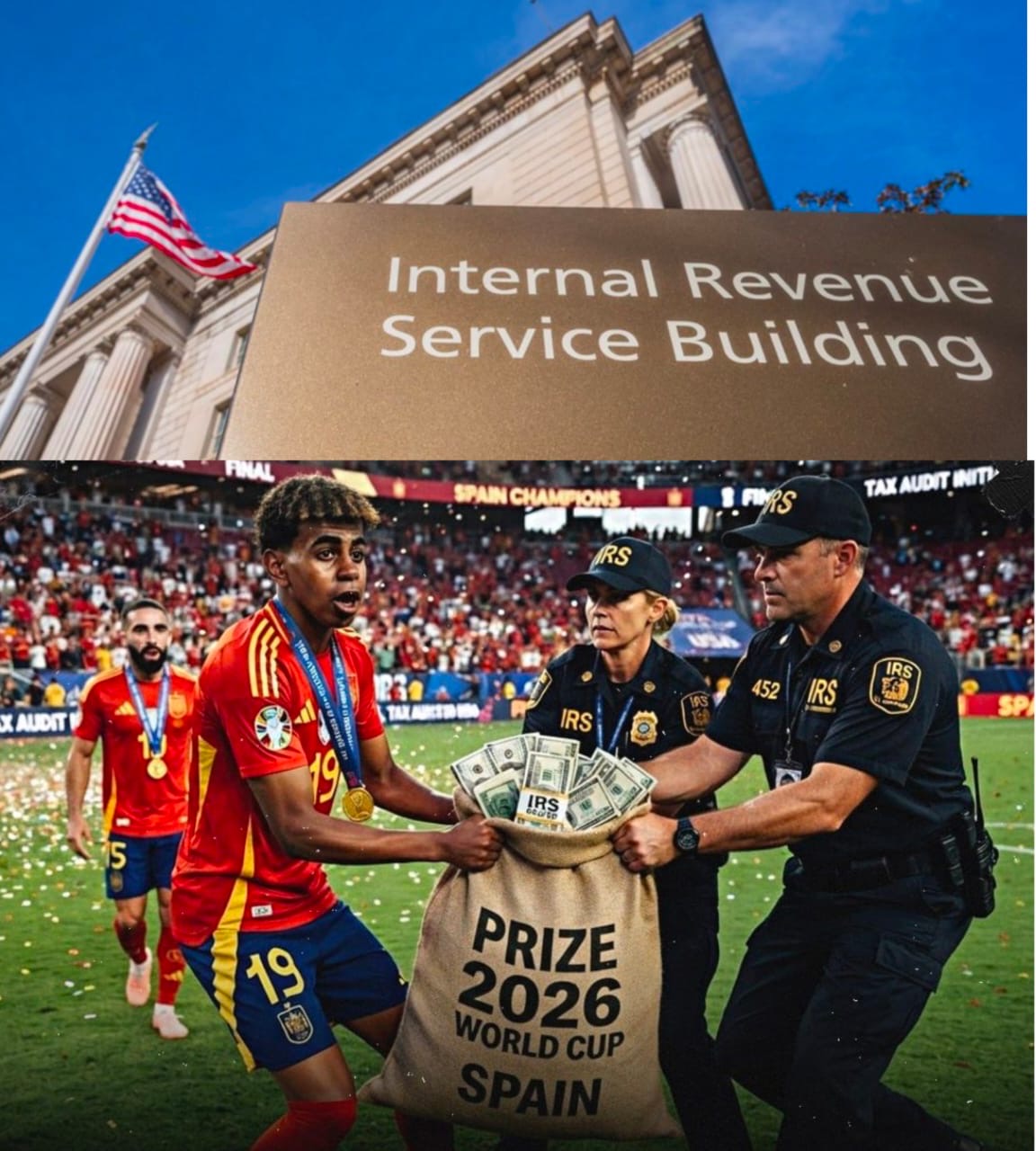
The United States successfully capitalized on the tournament to inject an astronomical $20 billion economic boost into its national and local systems. Yet, not satisfied with the billions generated through consumer spending, tourism, and corporate advertising, the Internal Revenue Service (IRS) turned its sights on the tournament’s most essential participants: the players themselves. By enforcing an aggressive financial dragnet, American fiscal authorities have recast a global celebration of sport into an aggressive corporate cash grab.
At the dark center of this financial scheme is the predatory decision by the IRS to target the tournament’s $655 million player prize and allowance pot with a ruthless, sweeping 30% default withholding tax. It is inherently unfair and morally objectionable to tax the hard-earned allowances, match fees, and daily stipends of international athletes. These individuals are the absolute core of the event, enduring immense physical strain and intense pressure to provide the world with entertainment.
Instead of being treated as honored international guests, players are being treated by the U.S. government as taxable commodities. The IRS is actively extracting millions off the top of basic per-diem money, stipends, and performance bonuses meant to compensate players for their dedication and help them cover basic logistical expenses. This hostile posture penalizes the very talent that makes the multi-billion-dollar spectacle possible in the first place.
This aggressive fiscal policy marks a damaging and hostile departure from the established hospitality of international sports governance. Historically, host nations have respected the global, unifying spirit of soccer, providing a welcoming environment for visiting squads. Previous host countries like Qatar (2022), Russia (2018), and Brazil (2014) actively waived these localized levies, granting full tax immunity to participating players, coaches, and support staff.
By refusing to honor these well-established international precedents, the United States has displayed an insatiable fiscal appetite. The burden falls most heavily and unfairly on non-resident athletes originating from developing nations, such as several participating African teams like Ghana and Senegal, that lack active reciprocal tax treaties with Washington. Forced to surrender nearly a third of their tournament earnings without the legal avenues to claim credits or deductions back home, these athletes face direct financial exploitation.
The ultimate betrayal, however, lies in the deeply corrupt partnership between American tax authorities and football’s global governing body. Through intense corporate lobbying, FIFA secured an ironclad, total tax-exempt status for its core operations. It deceptively utilized Section 501(c)(3) charitable frameworks to shield the major $50 million federation champion prize.
This structural manipulation allowed FIFA to walk away with an estimated $8.9 billion to $13 billion in entirely tax-free revenue generated from ticket sales, premium hospitality packages, and global corporate sponsorships. In doing so, FIFA completely abandoned the players, leaving individual athletes and coaching staff exposed to face the IRS entirely on their own. While the multi-billion-dollar governing apparatus escapes federal corporate liability completely, the vulnerable stars on the pitch are left to carry the heavy financial burden.
This lopsided arrangement is a textbook definition of institutional greed, exposing a system designed to maximize the profits of corporate executives at the direct expense of everyone else. While FIFA pockets billions in untaxed revenue and the federal government counts its massive withholding windfalls, the local communities that actually absorbed the operational burdens have been left stranded.
Due to heavy infrastructure upgrades, localized traffic management, and massive security demands, the 11 American host cities are left facing a combined budget deficit of roughly $250 million. The 2026 World Cup will certainly be remembered for its athletic brilliance, but it will equally be remembered as a sobering case study in economic exploitation: a tournament where cities were left in debt, FIFA walked away tax-free with billions, and the players who sweated for the crown were aggressively fleeced by the IRS on American soil.
About the Author:
Abubakar M Kareto is a seasoned Public Affairs Analyst and Commentator specializing in socio-economic policies, national, continental and global governance. He can be reached for media commentary or consulting at amkareto@gmail.com.