By Abubakar M. Kareto
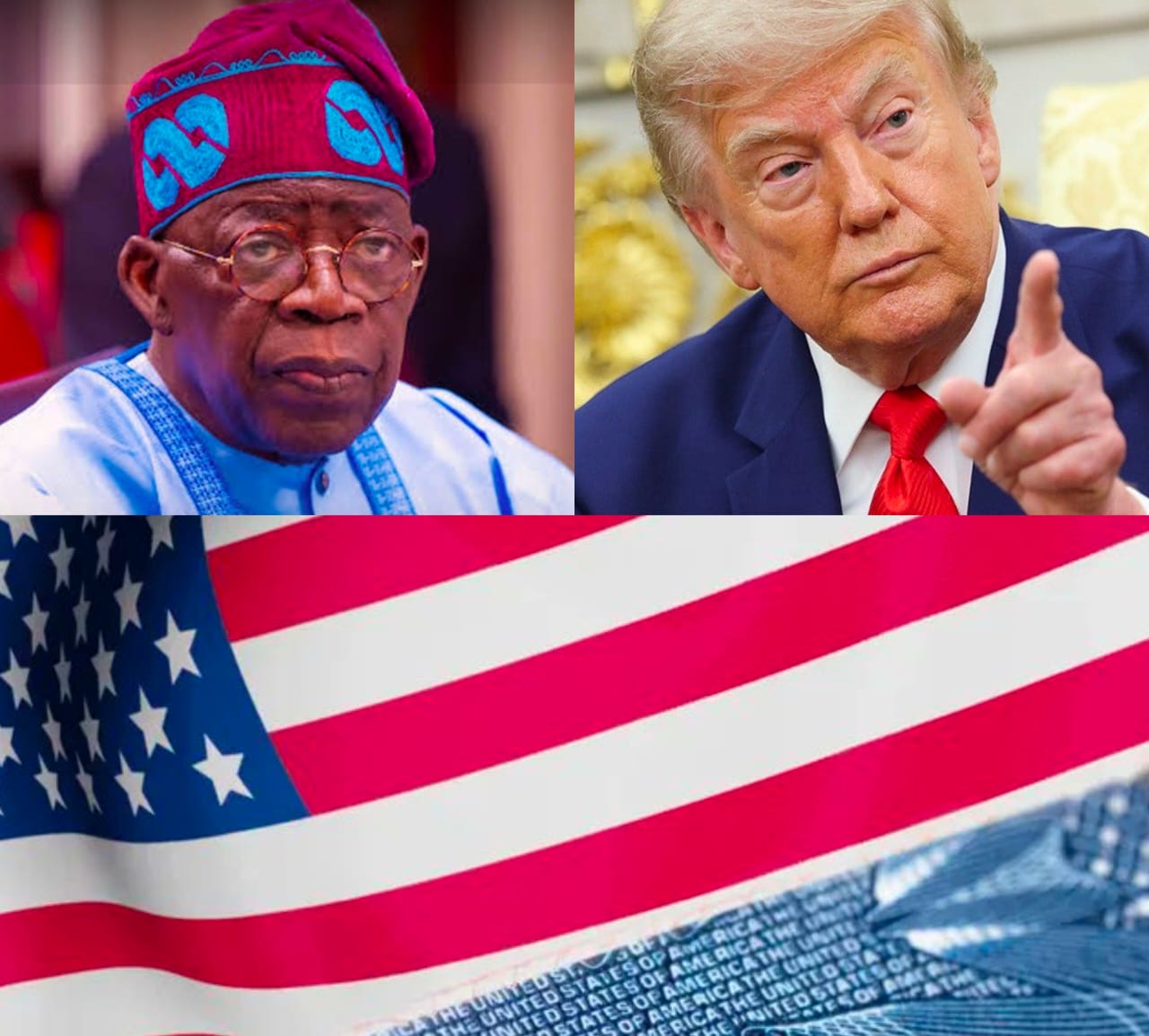
The decision by the Office of the United States Trade Representative to impose a new 12.5% import tariff on select products from Nigeria and dozens of other developing nations under Section 301 of the U.S. Trade Act has generated widespread concern across commercial circles. Citing regulatory gaps regarding supply chain labor standards, Washington placed Nigeria alongside major African peers under this levy.
A rigorous examination of global trade data reveals two crucial realities. Initial fears of an existential economic shock to Nigeria are heavily overstated because Nigeria’s macroeconomic baseline remains insulated. More importantly, this unilateral move signals that it is time for Nigeria to look elsewhere, as Washington’s transactional and unpredictable trade policies can no longer serve as an anchor for Nigeria’s economic future.
The Petroleum Shield: Macroeconomic Balance Preserved
The primary reason the 12.5% tariff will not trigger a systemic balance of payments crisis lies in the specific exclusions built into the U.S. measure. Critical primary energy commodities, most notably crude oil, Liquefied Natural Gas, and primary petroleum derivatives, have been explicitly exempted from the new duties.
According to policy evaluations by the Centre for the Promotion of Private Enterprise, energy dominates the bilateral trade flow. Over 80% of Nigeria’s total merchandise exports to North America consist of crude oil, gas, and primary energy derivatives, all of which remain entirely unencumbered by the tariff.
Furthermore, U.S. market exposure remains relatively modest. National merchandise trade data indicates that exports to the United States account for only approximately 5.56% of Nigeria’s total global export trade. By comparison, major buyers in Europe and Asia absorb far greater shares of Nigerian exports. India purchases 13.09%, France takes 9.29%, the Netherlands accounts for 9.22%, and Spain receives 7.68%. Because energy exports remain protected and U.S. market exposure is limited, Nigeria’s headline export earnings, foreign exchange allocations, and broader economic stability are firmly shielded from immediate disruption.
The Microeconomic Squeeze on Non-Oil Exporters
While the national balance sheet remains secure, the microeconomic reality for non-oil enterprises tells a far more troubling story. Nigerian agribusinesses, processed food exporters, leather manufacturers, and light industrial producers selling to North America now face an immediate margin squeeze.
Regarding U.S. tariff status across export categories, crude oil, Liquefied Natural Gas, and primary petroleum derivatives remain exempt with a 0% new levy, resulting in a protected and macro-neutral impact. In contrast, agribusiness, processed commodities, manufactured goods, and leather items are subject to the full 12.5% tariff. This subjects those non-oil sectors to reduced profit margins, lower export sales, and diminished international competitiveness.
For small and medium-sized enterprise exporters operating on thin margins, absorbing a 12.5% entry tax or attempting to pass it onto cost-sensitive American consumers presents a severe handicap. As noted by the Manufacturers Association of Nigeria, domestic producers already contend with high logistics costs and power infrastructure challenges. Imposing a 12.5% hurdle at foreign ports exposes the fundamental vulnerability of relying on Western export frameworks that can be arbitrarily altered overnight.
Unfriendly and Uncertain Trade Relations
For decades, African economies have been encouraged to align with Western commercial frameworks under the promise of stable, mutually beneficial trade partnerships. Yet, time and again, sudden regulatory shifts, protectionist tariffs under Section 301, and politicized non-tariff barriers expose these arrangements as one-sided and unreliable. Washington willingly extracts raw, unprocessed primary commodities while penalizing African attempts to export processed, value-added products that create domestic industrial jobs.
Nigeria must recognize that a trade relationship that welcomes raw natural resources while placing barriers on manufactured goods is not a genuine commercial partnership. It is time to step back from treating unpredictable U.S. policy as an essential pillar of national economic strategy and proactively diversify toward partners that respect long-term commercial predictability.
Thriving Beyond the Western Orbit
The notion that developing nations cannot grow their economies without deep dependence on the U.S. consumer market is an economic myth disproven across Asia and Africa.
Southeast Asian economies built formidable industrial networks by prioritizing intra-regional integration, expanding trade corridors across Eurasia, and deepening commercial partnerships with regional economic engines rather than relying on distant, protectionist Western markets.
The Asian growth engine provides a clear alternative. China supplies over 16.6 billion dollars in capital goods and manufactured imports to Nigeria, while India stands as Nigeria’s leading crude export destination at 13.09%. Both nations have demonstrated that massive industrial expansion, infrastructure financing, and technology transfers occur far more rapidly through pragmatic bilateral frameworks than through conditional Western mandates.
Dynamic intra-African trade corridors further prove that regional markets absorb processed agricultural goods, textiles, and consumer products with far greater reliability and fewer non-tariff obstacles than Western destinations.
Strategic Steps for Commercial Sovereignty
To transform this tariff disruption into a structural victory, Nigerian policymakers and private sector leaders must execute a decisive three-point strategic pivot.
First, Nigeria must pursue aggressive expansion through the African Continental Free Trade Area. This framework creates a tariff-free single market of 1.3 billion consumers. By redirecting agribusinesses, processed leather, textiles, and light manufactured goods to high-demand markets across West, Central, and East Africa, Nigerian exporters can achieve higher profit margins while insulating themselves from Western tariff volatility.
Second, the country should deepen alliances within BRICS+ corridors. Expanding institutional trade agreements with major emerging economies offers Nigeria direct access to vast consumer markets, foreign direct investment, and local-currency trade settlement mechanisms that eliminate foreign exchange friction.
Third, federal policy must mandate aggressive value-addition at home. Instead of exporting raw agricultural products to nations that impose sudden levies, the Federal Government must incentivize domestic industrial processing, supplying high-value finished products directly to the expanding African continent.
Reclaiming Economic Destiny
Washington’s 12.5% tariff should serve as the final wake-up call for Nigeria’s economic planners. While the immediate macroeconomic impact is contained thanks to energy exemptions, the policy lesson is clear: relying on uncertain and shifting Western trade terms is a strategy of diminishing returns.
Nigeria possesses the population, industrial potential, and geopolitical leverage to chart an independent commercial path. By pivoting aggressively toward the African Continental Free Trade Area, deepening alliances with major Asian and global growth engines, and building domestic manufacturing capacity, Nigeria can build a resilient economic future that remains permanently insulated from external policy caprice.
About the Author:
Abubakar M. Kareto is a Public Affairs Analyst and Strategic Communications Specialist focusing on Nigerian and African governance, public policy, and socio-political dynamics. He can be reached via amkareto@gmail.com or on X (formerly Twitter) @amkareto.