By Abubakar M. Kareto
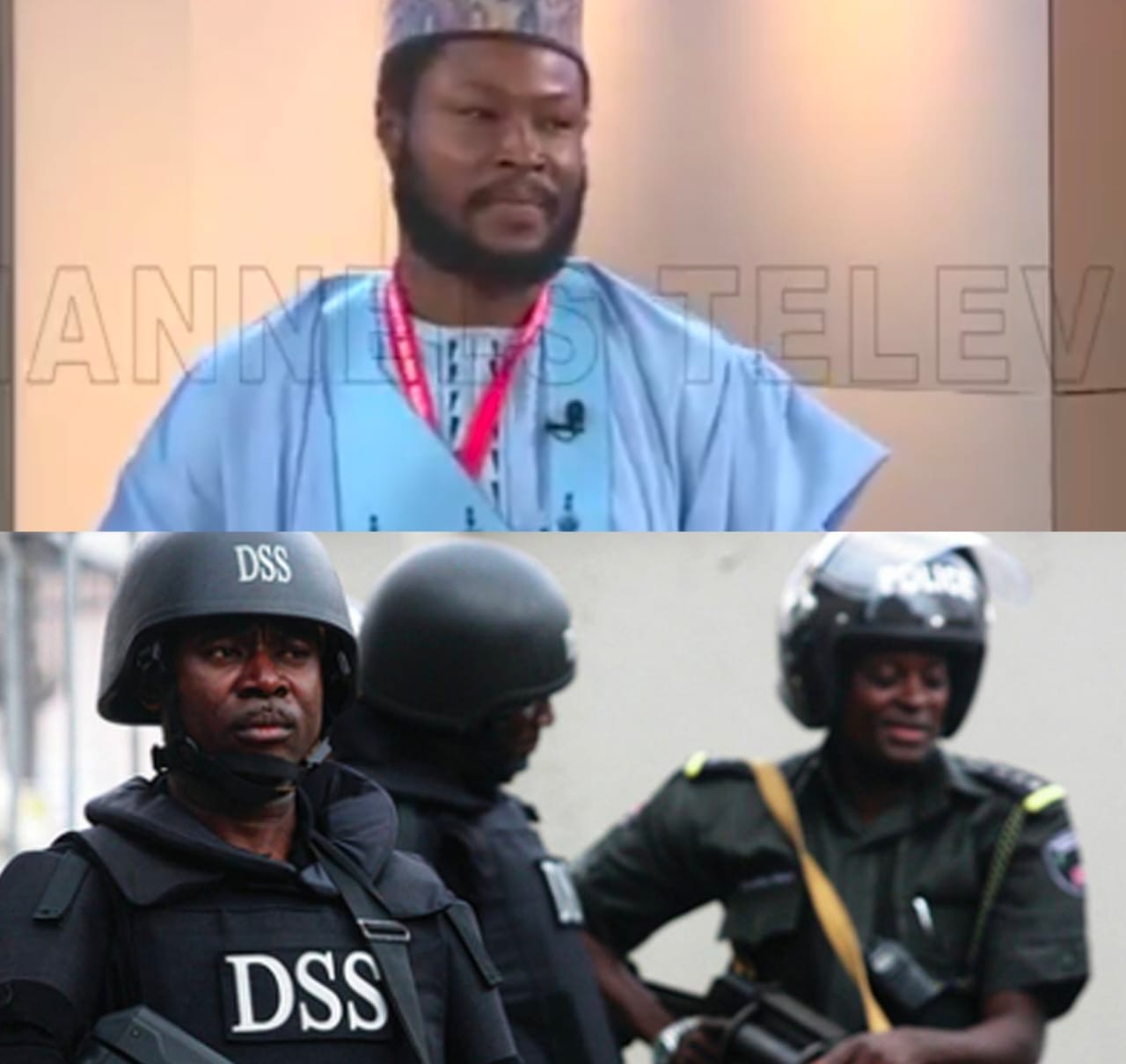
The recent arraignment of Samaila Ibrahim Kaigama before the Federal High Court in Abuja by the Department of State Services (DSS) on a four-count charge marks a notable moment in Nigeria’s public discourse. The charges, which include soliciting funds for proscribed terror organizations and concealing information about acts of terrorism, serve as a clear lesson for young Nigerians, social media commentators, and aspiring public figures across the country.
What began as a high-decibel media blitz on national television and social media platforms, complete with accusations of missing billions and state-level complicity, has now shifted to a federal courtroom. This progression offers direct lessons about the boundaries of public commentary, the legal perils of unauthorized security interventions, and the danger of converting human tragedy into political leverage.
The Statutory Reality: Concrete Laws Governing Public Claims
In today’s digital age, media platforms and social networks provide unprecedented reach. A single television interview or viral post can capture national attention within hours. However, public visibility must never be confused with legal immunity.
Sitting in a broadcast studio or posting content online to float heavy, unverified criminal allegations against public officials or state institutions does not shield an individual from statutory accountability. Nigerian law provides clear, strict boundaries that penalize reckless commentary, extortion, and unauthorized involvement in national security matters:
1. The Terrorism (Prevention and Prohibition) Act, 2022: Under Sections 12 and 13, soliciting, acquiring, or collecting funds with the knowledge or intention that they will be used by proscribed terrorist organizations like ISWAP or Boko Haram carries severe penal sanctions, up to life imprisonment. Furthermore, engaging in unsanctioned communications or negotiations with terror groups places an actor completely outside statutory protection.
2. The Cybercrimes (Prohibition, Prevention, etc.) Act, 2015 (and 2024 Amendment): Section 24 explicitly penalizes transmitting digital messages that are known to be false for the purpose of causing public disorder, breakdown of law and order, injury, criminal intimidation, or needless anxiety. Spreading explosive accusations online without verifiable proof constitutes cyberstalking and criminal defamation under federal law.
3. The Criminal Code and Penal Code Acts: Provisions governing extortion, false statements, and giving false information to public officers make it a criminal offense to manipulate public anxiety or demand money under false pretenses.
When serious assertions of terror support or multi-billion naira payouts are made in public, state security agencies have a legal duty to investigate. If those claims are built on fabrication, unauthorized dealings, or extortion, the legal consequences fall squarely on the accuser.
Cautionary Examples: Young Voices Facing Judicial Scrutiny
The case of Samaila Kaigama is not an isolated incident. In recent years, several young Nigerians and digital commentators have found themselves facing criminal trials, arrests, or imprisonment after mistaking social media popularity for legal immunity:
Martins Otse (VeryDarkMan): Arraigned before the Federal High Court in Abuja by the Nigeria Police over multi-count charges of cyberbullying and spreading unverified, damaging allegations against various public and private personalities. His ongoing trial underscores that accumulating millions of online followers does not insulate a commentator from statutory cross-examination in court.
Okoye Blessing Nwakaego: A young TikTok content creator who was tried, convicted, and sentenced by a Federal High Court in Lagos under Section 24 of the Cybercrimes Act. She confessed in court to fabricating defamatory allegations against a public figure purely to gain social media followers, traction, and monetary returns from internet traffic.
Chioma Okoli: Faced police investigation and federal prosecution under cybercrime statutes following viral social media posts making unverified, damaging public claims against a commercial brand without going through regulatory oversight channels like NAFDAC or formal petitioning.
Farouk Abuja and Brig Gen Uwa: The ongoing friction between a Tiktoker called Farouk Abuja and a military officer, Brigadier General Kingsley Uwa, Farouk accused Uwa of kidnapping Ladi Daniel not knowing that Ladi Daniel was married to the General and their latter had marrital issues, when Farouk was arrested, Ladi disowned everything she told Farouk, this highlights the acute dangers of leveling public allegations against senior military command. Spreading unsubstantiated narratives blindly without minding its legal implications.
These case studies illustrate a consistent pattern: when online commentary crosses the line into fabrication, extortion, or public character assassination, the digital applause quickly fades, leaving the individual alone to face formal prosecution.
The Trap of Unauthorized Contact and Ransom Extortion
One of the most dangerous dynamics exposed in recent security interventions is the phenomenon of private individuals positioning themselves as self-styled intermediaries with terrorist groups. Engaging in unauthorized communications with proscribed groups like Boko Haram or ISWAP is not an act of humanitarian heroism; it is a severe violation of federal law.
Hostage resolution and counter-insurgency operations are strictly state functions managed through established military protocols, intelligence command centers, and official security channels. When private actors step outside these statutory boundaries to negotiate cash transfers, they directly undermine national security architecture.
Even more troubling is the commercialization of human suffering. Exploiting graphic footage of captives to induce panic among traumatized families, publicizing private bank account details for crowd-sourced ransom funds, and extorting vulnerable constituents under the guise of rescue operations turns security crises into unregulated financial schemes. Using personal bank accounts to collect money intended for terror groups directly fuels regional insurgency and creates severe criminal liability.
Sensationalism vs. Institutional Accountability
A recurring flaw in modern public commentary is the preference for trial by media over formal legal process. When an actor claims to possess explosive evidence regarding financial corruption or state security breaches, the legitimate, statutory destination for such evidence is a formal petition to intelligence authorities or anti-corruption agencies.
Preferring television studios and social media feeds over investigative offices often signals a desire for maximum noise with minimum accountability. In a broadcast studio, sensational claims can be made without immediate cross-examination. Inside an intelligence office or a court of law, claims require verifiable paper trails, digital forensics, and sworn evidence under penalty of perjury.
Young commentators must realize that real public accountability is a two-way street. Accusations of national magnitude cannot be thrown around carelessly for political visibility or monetary gain without expecting the legal system to demand proof.
A Call for Strategic Restraint and Evidence-Based Advocacy
Nigeria needs an active, courageous, and informed youth population capable of holding power accountable. However, effective advocacy is rooted in truth, legal awareness, and strategic restraint, not reckless sensationalism.
Young analysts and digital activists must adopt basic principles before entering the public square:
Verify before broadcasting: Never elevate unvetted rumors or sensational claims to national media platforms without concrete, verifiable evidence.
Respect legal boundaries: Understand that communicating with proscribed terror cells or soliciting money for illicit ransom transfers violates federal law.
Reject trial by media: Channel genuine evidence through statutory investigative institutions rather than seeking temporary viral fame.
Protect human dignity: Never exploit the trauma of victims or their families for fundraising schemes, personal gain, or political campaign leverage.
The ongoing judicial proceedings in Abuja represent a clear reminder that national security is not a media game. Public commentary carries real consequences, and those who choose to navigate complex national issues must do so with intellectual integrity, respect for the law, and an unwavering commitment to the truth.
About the Author
Abubakar M. Kareto is a Public Affairs Analyst and Strategic Communications Specialist writing on governance, political economy, and public policy. He can be reached via amkareto@gmail.com or on X (formerly Twitter) @amkareto.