By Treasure Mbuge Andrew
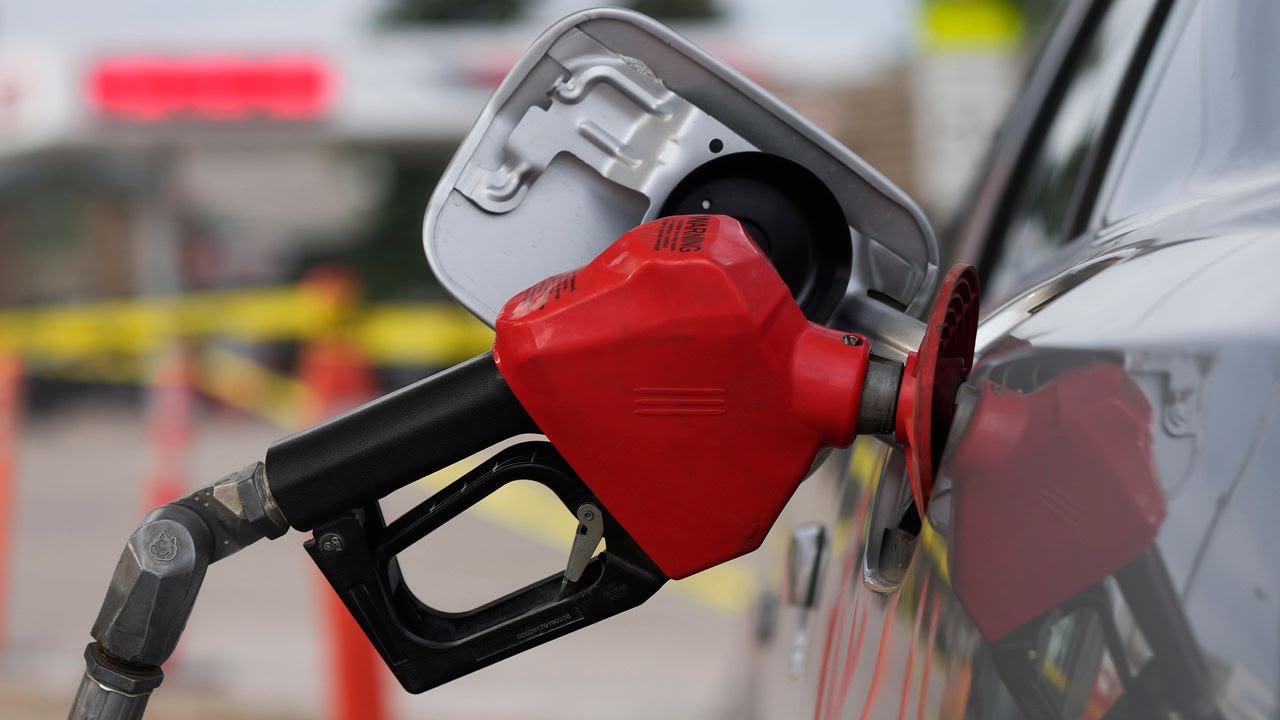
Three years after President Bola Tinubu declared that “subsidy is gone” on inauguration day in May 2023, the petrol subsidy question has returned to the centre of national conversation with unexpected force. What began as one of the most consequential economic decisions of the current administration has now become a sharp dividing line among the leading contenders for the 2027 presidential election.
At the heart of the latest storm is former Vice President Atiku Abubakar, the presidential candidate of the African Democratic Congress. In recent statements, Atiku has pledged to restore a form of fuel subsidy if elected, arguing that the removal has inflicted severe hardship on ordinary Nigerians while the promised benefits remain unclear. He has gone further, accusing the Tinubu government of practising “selective economics” by granting tax credits and fiscal incentives to oil investors even as households absorb the full impact of higher petrol prices.
Atiku insists his plan is not a return to the old, opaque import-based subsidy regime. Instead, he proposes a targeted, capped, and independently audited production subsidy that would follow the barrel of crude to Nigerian refineries. The goal, according to his team, is to lower energy costs, accelerate domestic refining, and provide measurable relief while maintaining transparency and a clear exit mechanism. He has pointed to NNPC’s audited accounts, which recorded trillions of naira under “energy-security expenses” in 2023 and 2024, as evidence that government resources continued to bridge price gaps long after the official declaration that subsidy had ended.
The response from the Presidency and key ministers has been swift and uncompromising. Officials describe Atiku’s proposal as opportunistic and retrogressive, noting that he himself had supported subsidy removal during the 2023 campaign. They argue that the Petroleum Industry Act already made the old subsidy framework illegal and that reversing course would recreate the fiscal pressures, scarcity, and arbitrage that made the previous system unsustainable. Finance Minister Taiwo Oyedele and Information Minister Mohammed Idris have both stated firmly that Nigeria will not return to subsidies, citing approximately ₦15.8 trillion in resources mobilised for the federation between June 2023 and December 2025 as evidence of the policy’s fiscal gains.
Peter Obi, the presidential candidate of the Nigeria Democratic Congress, has taken a different path. Speaking at the Nigerian Bar Association conference in Port Harcourt, Obi rejected the idea of restoring subsidy. He maintained that removal remains necessary and that the real problem lies in the mismanagement of the proceeds. “Mismanagement of the proceeds should not be the reason for not removing it,” he said, adding that any savings should have been invested in productive areas such as healthcare, education, and a stronger sovereign wealth fund rather than simply returned to consumers through lower pump prices.
The debate is not merely technical. It reflects deeper frustrations among citizens who have watched petrol prices rise sharply, transportation costs climb, and food prices follow since 2023. For many households, the daily reality of higher living costs outweighs abstract arguments about fiscal sustainability or investor confidence. At the same time, economists and industry stakeholders warn that an uncontrolled return to subsidy could once again drain public resources, discourage private refining investment, and reopen the door to the leakages that characterised the old regime.
What makes the current discussion particularly intense is its timing. With official campaigns for 2027 underway, fuel prices have become both a policy question and a political weapon. Atiku frames his proposal as a direct response to the suffering of ordinary Nigerians. The government presents subsidy removal as a difficult but necessary reform whose long-term benefits are only beginning to show. Obi positions himself as the candidate who would have managed the transition more carefully and invested the savings more wisely.
Beneath the political rhetoric lies a harder set of questions. Can Nigeria design a system that protects the most vulnerable without recreating fiscal distortions? Will increased domestic refining eventually lower prices enough to reduce the pressure for government intervention? And can any administration convince a sceptical public that the pain of reform has been matched by transparent and equitable use of the resources freed up?
For now, the fuel subsidy debate has moved beyond technical economic arguments. It has become a test of how political leaders understand the relationship between policy, hardship, and public trust. As the campaign season intensifies, Nigerians will be watching not only what the candidates promise, but how clearly they explain the costs, the trade-offs, and the path from pain to relief.