By Adam Mohammed Sheriff
For Nigerians, another increase in the price of petrol is never just another number on a filling-station signboard. It affects the cost of transportation, food, business operations and, ultimately, the amount of money left in people’s pockets.
The latest pressure on petrol prices has again brought this reality to the fore, with motorists in different parts of the country paying more than ₦1,300 per litre in some locations.
But behind the rising figures is a chain of events stretching from international oil markets to Nigerian refineries, depots and filling stations.
One major factor is the rise in the international price of crude oil. Global oil prices have recently climbed above $100 per barrel amid supply concerns linked to the conflict in the Middle East. Reuters reported that disruptions to oil and fuel supplies have increased pressure on the global energy market.
Although Nigeria produces crude oil locally, the country’s petrol market is not isolated from international developments. The cost of crude, refining and moving petroleum products is influenced by market conditions beyond Nigeria.
The country’s petrol market has also changed significantly since the removal of the petrol subsidy. Under the deregulated system, petrol prices are determined by market forces, including supply and demand, transportation and other operating costs. The Nigerian Midstream and Downstream Petroleum Regulatory Authority has repeatedly stated that there is no single government-fixed pump price for petrol.
This means that when costs rise at different stages of the supply chain, consumers can eventually feel the effect at the filling station.
The Dangote Petroleum Refinery has added another important dimension to the story. With a production capacity of 700,000 barrels per day, the refinery was expected to reduce Nigeria’s dependence on imported refined petroleum products and improve domestic supply.
Local refining has already provided some relief. Recent market data reported by Punch showed Dangote’s petrol gantry price at about ₦1,265 per litre, while the estimated import-parity price was about ₦1,310.64 per litre. That meant locally refined petrol was still cheaper than importing the same product at the time.
Yet petrol prices have continued to come under pressure.
One reason is that local refining does not mean that all the petrol consumed in Nigeria comes from one refinery. Imported petrol and products from other suppliers still form part of the market. Dangote Refinery itself has also warned about the impact of rising imports on demand and planning.
The price of petrol can also change before it reaches the filling station. Recent reports from Lagos showed petrol selling at some depots for between about ₦1,266 and ₦1,280 per litre, while some filling stations were selling above ₦1,300.
That difference is important because it shows that the price paid by consumers is not determined by the refinery or depot price alone. Transportation, storage, distribution and other costs can add to the final price.
Location also matters.
A filling station in Lagos, close to major coastal supply points, does not face exactly the same distribution conditions as one in Maiduguri, Kano or another northern city. Petrol transported over long distances can carry additional logistics costs before it reaches the consumer.
For motorists, however, these explanations do little to reduce the immediate burden.
A driver buying 40 litres of petrol at ₦1,300 spends ₦52,000. If the price rises by just ₦50 per litre, the same 40 litres will cost an additional ₦2,000. For commercial transport operators, who buy fuel regularly, such increases can quickly become a major expense.
The impact does not stop with motorists. When transportation becomes more expensive, traders may spend more moving their goods. Businesses that depend on petrol generators face higher operating costs, while passengers may eventually pay more for transport.
This is why changes in petrol prices often have a wider effect on the economy than the price of fuel itself suggests.
The situation is particularly significant because Nigeria is attempting to increase domestic refining while global fuel markets remain uncertain. Reuters reported that Dangote Refinery had secured at least 16 million barrels of Nigerian crude for October, equivalent to about 520,000 barrels per day. The development points to increasing crude intake by the refinery as it moves towards operating at higher capacity.
The refinery has also announced plans to expand its capacity to 1.4 million barrels per day by 2029. If achieved, the expansion could significantly increase Nigeria’s domestic refining capacity.
But even greater refining capacity may not immediately translate into permanently cheaper petrol.
The price consumers pay will continue to depend on the cost of crude, refinery operations, supply, demand, transportation and conditions in the international oil market.
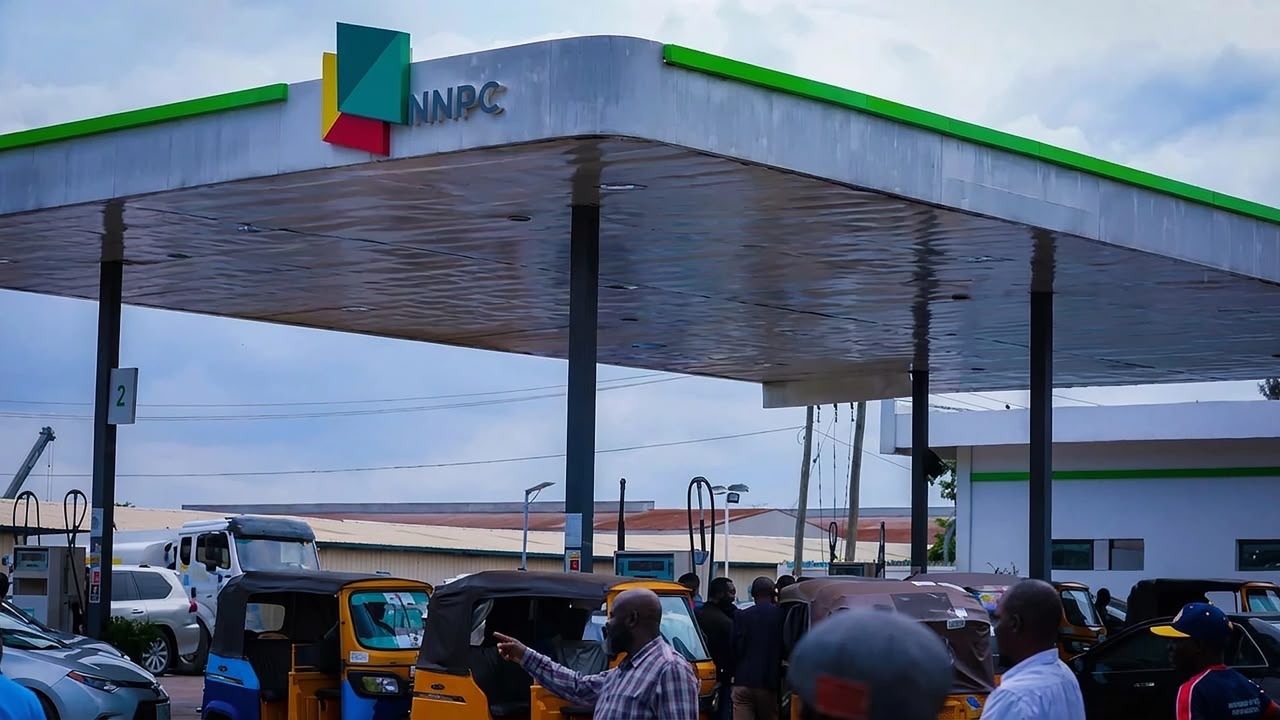
For Nigerians standing in queues at filling stations, these factors are rarely visible. What they see is the figure on the pump. What they feel is the money leaving their pockets.
The latest petrol price pressure is therefore not the result of one factor alone. It is the product of a deregulated market meeting higher global oil prices, supply concerns, local refining costs, transportation expenses and continuing competition between domestic and imported products.
For the ordinary Nigerian, the real question is not simply why petrol has become more expensive.
It is how much more of their income they will have to sacrifice to keep moving.